






What's Happening?
NOAA Fisheries is addressing the upcoming expiration of the federal shrimp permit moratorium in the Gulf of Mexico. This moratorium, initially established for a decade through Amendment 13 to the Shrimp Fishery Management Plan (FMP) in 2005 and subsequently
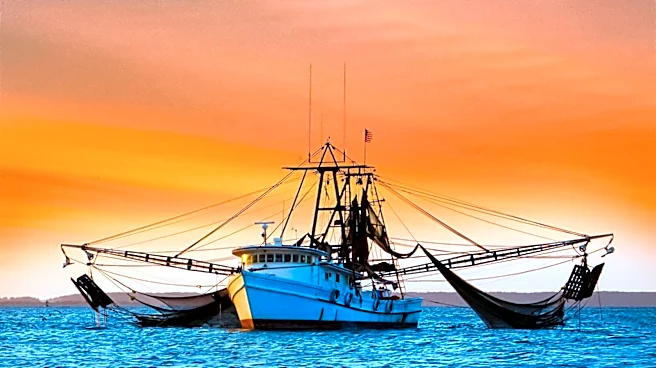
renewed for another ten years via Amendment 17A in 2016, is scheduled to conclude on October 26, 2026. The primary objective of this moratorium has been to foster stability and prevent overcapacity within the Gulf shrimp fishery. To continue these efforts, Amendment 19 has been proposed, which seeks to extend the moratorium for an additional ten years, pushing its expiration date to October 26, 2036. This extension would specifically apply to commercial shrimp vessels operating in the Gulf of Mexico. The proposal is currently in the information gathering phase, with a request for comments issued on June 5, 2026, as part of the process to finalize Amendment 19.
Why It's Important?
The proposed extension of the shrimp permit moratorium is crucial for the long-term sustainability and economic viability of the Gulf of Mexico shrimp fishery. Without this moratorium, there is a significant risk of increased fishing effort, leading to overcapacity and potential overfishing of shrimp stocks. Overfishing can deplete marine resources, negatively impacting the ecosystem and the livelihoods of commercial shrimpers who depend on these resources. The moratorium helps maintain a balance between fishing capacity and the health of the shrimp population, ensuring a more stable and predictable environment for businesses involved in the shrimp industry. This stability is vital for processors, distributors, and retailers, as it helps secure a consistent supply of shrimp. Furthermore, it supports the broader coastal economies that rely on the fishing industry, preventing potential job losses and economic downturns that could result from an unregulated fishery. The measure also reflects a commitment to responsible resource management, which is increasingly important for consumer confidence and market access.
What's Next?
The next step in the process for Amendment 19 involves a period of public comment and information gathering, as indicated by the request for comments issued by NOAA Fisheries. Stakeholders, including commercial shrimpers, environmental groups, and other interested parties, will have the opportunity to provide feedback on the proposed 10-year extension. Following the comment period, NOAA Fisheries will review all submissions and make a final decision on the implementation of Amendment 19. If approved, the moratorium will be extended until October 26, 2036, continuing the current regulatory framework for commercial shrimp vessels in the Gulf of Mexico. This decision will shape the operational landscape for the Gulf shrimp fishery for the next decade, influencing investment decisions, fishing practices, and resource management strategies. The outcome will also set a precedent for future management actions in other U.S. fisheries facing similar challenges of overcapacity and resource sustainability.
Beyond the Headlines
The ongoing debate and decision-making surrounding the Gulf of Mexico shrimp permit moratorium highlight the complex interplay between economic interests, environmental conservation, and regulatory governance in U.S. fisheries. Beyond the immediate impact on shrimp vessel permits, this action underscores the broader challenge of managing common-pool resources sustainably. The moratorium represents a policy tool designed to internalize the externalities of open-access fishing, where individual incentives to maximize catch can lead to collective depletion of resources. The long-term extension suggests a recognition of the persistent threat of overcapacity and the need for sustained regulatory intervention to prevent ecological and economic collapse. This situation also brings to light the socio-economic dynamics within fishing communities, where regulations can be met with both support for sustainability and resistance due to perceived limitations on economic opportunity. The success of such measures often depends on effective enforcement, adaptive management, and the ability to balance diverse stakeholder interests, reflecting a continuous effort to achieve a sustainable equilibrium in marine resource utilization.