

What's Happening?
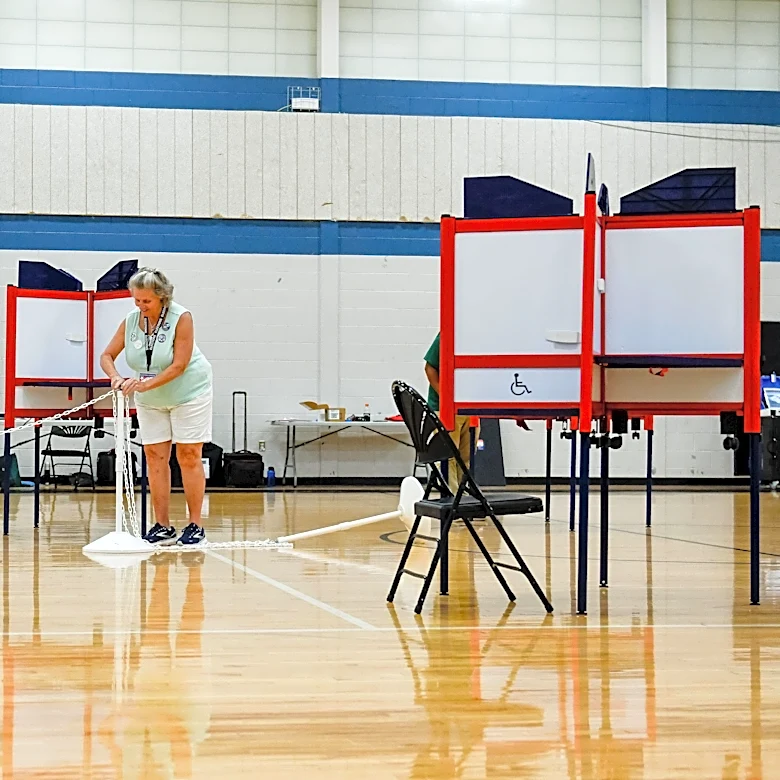
WWE executive Paul Levesque, known as Triple H, was reportedly present with NFL legend Rob Gronkowski at a voting event in Goffstown, New Hampshire, during the midterm elections. State Representative Lisa Mazur confirmed Levesque's attendance. Gronkowski was seen
outside Turning Point Action tents, encouraging people to vote. While Gronkowski interacted with fans and posed for photos, a Turning Point spokesperson clarified that he was not formally campaigning as a paid representative but rather engaging with the public. Gronkowski's message emphasized the importance of voting, regardless of party affiliation, stating, "It doesn’t matter what party you’re voting for. It’s just important that you go out there and vote."
Why It's Important?
The presence of high-profile figures like Paul Levesque and Rob Gronkowski at voting events can significantly impact voter turnout and engagement. Their celebrity status draws attention to the electoral process, potentially motivating individuals who might otherwise be disengaged. For WWE, Levesque's involvement, even in a non-political capacity, subtly connects the brand with civic participation. This kind of public engagement by sports and entertainment personalities can help normalize and encourage voting, especially among younger demographics who may look up to these figures. While Gronkowski's message was non-partisan, his association with a conservative group like Turning Point Action could also be interpreted in various ways by the public, highlighting the complexities of celebrity involvement in political adjacent activities.
What's Next?
The midterm elections will determine the balance of power in Washington, and the involvement of public figures like Levesque and Gronkowski contributes to the broader narrative of civic engagement. While their direct impact on specific election outcomes is difficult to quantify, their presence underscores the ongoing efforts by various groups to mobilize voters. The continued participation of sports and entertainment personalities in such events is likely, as their platforms offer a unique way to reach a wide audience. Future elections may see similar appearances, as organizations and campaigns seek to leverage celebrity influence to encourage democratic participation.
Beyond the Headlines
The intersection of sports, entertainment, and politics, as exemplified by Levesque and Gronkowski's appearance, reflects a growing trend where public figures use their platforms to advocate for civic duties. This blurs the lines between celebrity endorsement and genuine civic activism. While their intentions may be to simply encourage voting, their presence can inadvertently lend credibility or visibility to specific political leanings or organizations. This raises questions about the responsibility of public figures in political discourse and the potential for their influence to be perceived differently by various segments of the population. It also highlights the increasing role of non-traditional actors in shaping public engagement with democratic processes.