



What's Happening?
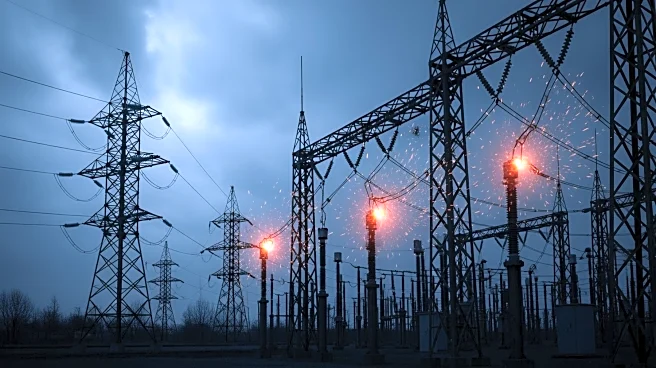
On February 9, Russian forces launched significant drone and missile attacks targeting Ukraine's electrical and gas infrastructure. These strikes affected regions including Zaporizhzhia, Kherson, Kharkiv, and Donetsk, resulting in civilian casualties
and extensive power outages. The attacks are part of a broader winter campaign aimed at crippling civilian life in Ukraine as ceasefire discussions remain stalled. The United Nations has condemned these attacks on civilian infrastructure, highlighting the humanitarian impact as temperatures plummet to -20 degrees Celsius, exacerbating the strain on hospitals, heating systems, and other critical services.
Why It's Important?
The escalation of attacks on Ukraine's power grid by Russia has significant humanitarian and geopolitical implications. The targeted strikes on energy infrastructure are designed to weaken civilian morale and disrupt daily life, potentially influencing the broader conflict dynamics. The European Union has responded by pledging over $1 billion in humanitarian aid and emergency gas purchases to support Ukraine. This situation underscores the ongoing tension between Russia and Western nations, with the EU and NATO condemning the attacks and emphasizing the need for continued support to Ukraine. The conflict's impact on energy security and civilian infrastructure highlights the broader stakes involved, affecting not only Ukraine but also international relations and regional stability.
What's Next?
As the conflict continues, further international responses are anticipated, including additional aid and diplomatic efforts to address the humanitarian crisis. The EU and NATO are likely to increase their support for Ukraine's energy infrastructure and defense capabilities. The situation may also prompt further discussions within the United Nations and other international bodies to seek resolutions and mitigate the conflict's impact on civilians. The ongoing attacks suggest a prolonged period of instability, with potential implications for global energy markets and geopolitical alliances.
Beyond the Headlines
The targeting of Ukraine's power grid by Russia raises ethical and legal questions about the conduct of warfare and the protection of civilian infrastructure. The attacks highlight the vulnerability of critical infrastructure in conflict zones and the potential for long-term humanitarian crises. Additionally, the situation underscores the importance of international cooperation in addressing the challenges posed by such conflicts, including the need for robust defense systems and humanitarian aid mechanisms. The conflict also serves as a reminder of the broader geopolitical tensions and the complex interplay between military strategy and civilian impact.