







What's Happening?
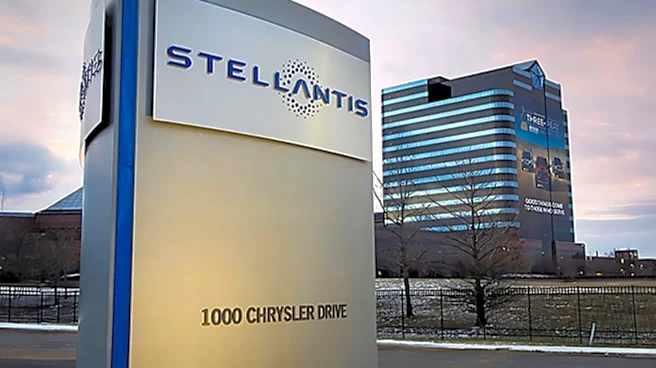
Approximately 5,000 motorists pursuing diesel emissions claims against Stellantis have been granted a final opportunity to continue their cases, despite their law firm, Bingham Long, missing a crucial deadline for inclusion in a group litigation order
(GLO). The High Court in London, under Mr. Justice Constable, ruled that these claimants could proceed with their claims, but they must adhere to strict new requirements and contribute to adverse costs from the wider proceedings, even though they are no longer part of the GLO. The original claim form was submitted electronically on December 11, 2024, and accepted on December 16, but the sealed document was not served on Stellantis's lawyers until January 12, 2025, missing the December 24 deadline. Senior Master Cook had previously refused to extend the deadline in June 2026, leading to the claimants' exclusion from the group. This decision is part of the larger Pan-NOx diesel emissions litigation, involving around 1.6 million UK motorists alleging that manufacturers used 'defeat devices' to manipulate emissions testing.
Why It's Important?
This ruling highlights the significant procedural risks for law firms managing a large volume of claims and confirms that missing a group litigation deadline does not automatically extinguish an individual's right to sue. For Stellantis, it means that while a portion of the claimants were excluded from the GLO, they still face the prospect of defending thousands of individual claims. The decision to hold these claimants liable for a share of the wider litigation's costs, despite their exclusion, sets a precedent regarding financial responsibility in complex multi-party legal actions. This could influence how future mass tort or class action lawsuits are managed, particularly concerning the balance between procedural adherence and access to justice for individual claimants. The ongoing diesel emissions litigation, in general, underscores the automotive industry's challenges with regulatory compliance and consumer trust following the 2015 diesel scandal, impacting manufacturers' reputations and financial liabilities.
What's Next?
The 5,000 claimants represented by Bingham Long have been given 21 days to serve compliant, claimant-specific generic particulars of claim. Failure to meet this new deadline will result in their claims being automatically struck out. Claims that do meet the deadline will be put on hold, preventing them from proceeding separately alongside the main diesel emissions litigation. This measure aims to avoid duplicating work and complicating the overall management of the wider proceedings. The precise arrangements for the claimants' contribution to the adverse costs will either be agreed upon by the parties involved or settled by the court. This ongoing legal battle will continue to shape the landscape of diesel emissions litigation, potentially influencing how similar cases are handled in the future and the financial implications for automotive manufacturers like Stellantis.
Beyond the Headlines
The High Court's decision delves into the intricate balance between judicial efficiency, as sought through group litigation orders, and the fundamental right of individuals to pursue legal redress. While the court acknowledged the procedural failures of the law firm, it deemed immediate dismissal of the claims too severe, especially given the potential for limitation periods to prevent fresh proceedings. This reflects a broader legal principle that procedural missteps, while serious, should not always lead to the complete forfeiture of substantive rights. The ruling also touches upon the ethical considerations for law firms in managing large-scale litigation, emphasizing the need for meticulous adherence to deadlines and procedural requirements. The financial implications, particularly the requirement for excluded claimants to contribute to shared costs, highlight the complex interplay of collective action and individual responsibility within the legal system, potentially influencing future legal strategies in similar large-scale disputes.