






What's Happening?
A 28-year-old tourist has caused significant damage to the historic Fountain of Neptune in Florence, Italy, during a bachelorette party. The woman, whose identity and nationality have not been disclosed, climbed onto the statue in the Piazza della Signoria.
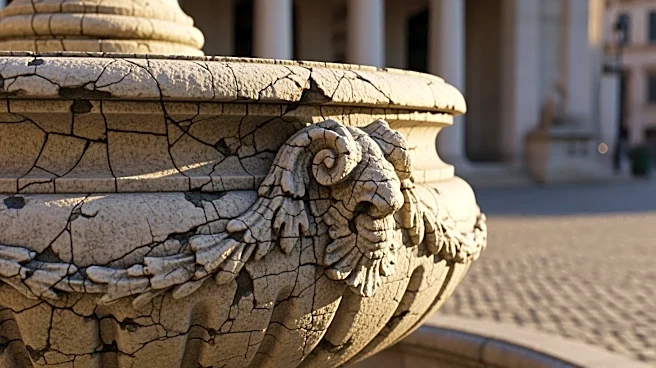
The Fountain of Neptune, commissioned in 1559 by Cosimo I de Medici, features a statue of the Roman sea god Neptune. The tourist reportedly climbed over a railing and onto the legs of a horse figure to avoid stepping into the water, intending to 'touch' the statue as part of a pre-wedding challenge. This act resulted in damage to the legs of the horses and a frieze, with repair costs estimated at 5,000 euros ($5,845). The woman has been reported to the Judicial Authority for defacing an artistic and architectural asset.
Why It's Important?
This incident highlights ongoing concerns about the preservation of historical monuments and the impact of tourism on cultural heritage sites. The damage to the Fountain of Neptune underscores the vulnerability of such sites to irresponsible behavior. The financial cost of repairs, while significant, also reflects the broader issue of maintaining and protecting cultural landmarks from similar incidents. This event may prompt authorities to reconsider security measures and visitor guidelines to prevent future occurrences. The incident also raises questions about the balance between tourism and the preservation of historical sites, a challenge faced by many cities with rich cultural heritages.
What's Next?
The tourist involved in the incident is presumed innocent until a final judgment by the Judicial Authority. Meanwhile, Florence authorities may review and potentially enhance security measures around the Fountain of Neptune and other historical sites to prevent similar incidents. This could include increased surveillance, stricter access controls, and public awareness campaigns about the importance of preserving cultural heritage. The outcome of the judicial process may also set a precedent for handling similar cases in the future, influencing how authorities across Europe manage tourist interactions with historical monuments.