





What's Happening?
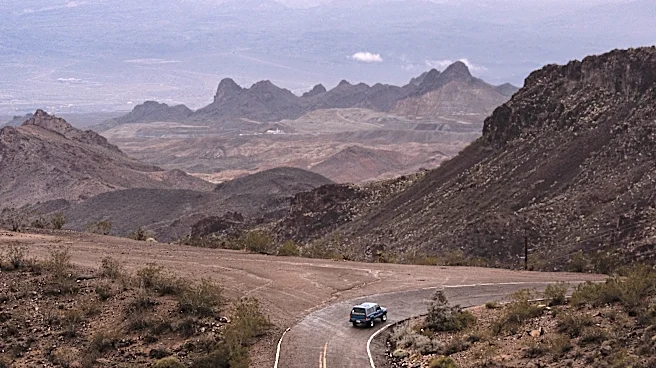
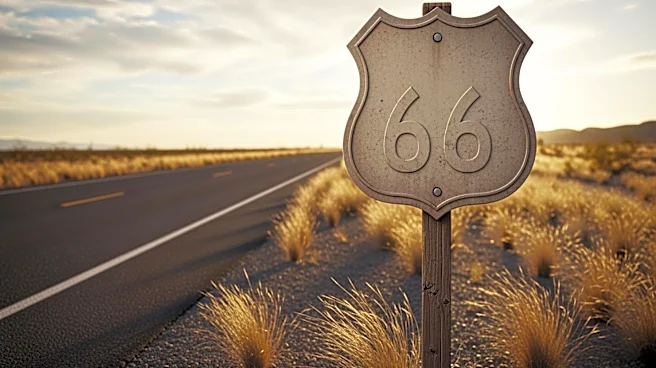
Route 66, the iconic American highway, marks its 100th anniversary this year. Originally designated in November 1926, the highway stretches approximately 2,400 miles from Chicago to Santa Monica, California. Known as the 'Mother Road,' it has played a significant
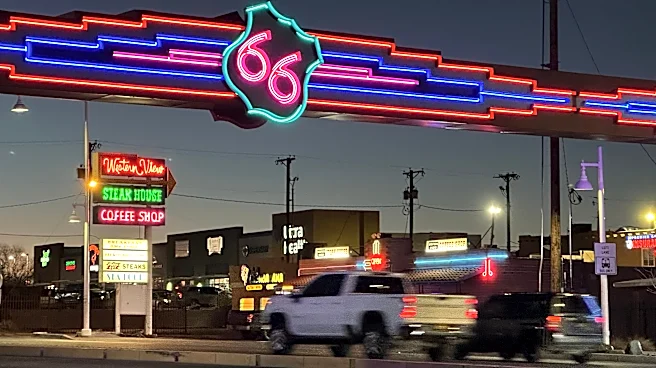
role in American history, serving as a vital route for migrants during the Dust Bowl and Great Depression, and later as a popular vacation path during the postwar boom. Despite being decommissioned as a federal highway in 1985, Route 66 remains a cultural icon, attracting tourists from around the world who seek to experience its historic charm, neon lights, and unique roadside attractions.
Why It's Important?
Route 66 is more than just a road; it is a symbol of American resilience, adventure, and cultural heritage. It has been immortalized in literature, music, and film, representing the promise of prosperity and freedom. The highway has also been an economic lifeline for many communities, particularly those in rural areas. Its preservation efforts highlight the importance of maintaining historical landmarks that contribute to national identity. For Native American tribes and Black travelers, Route 66 holds complex legacies of both opportunity and challenge, reflecting broader social and economic dynamics in U.S. history.
What's Next?
As Route 66 celebrates its centennial, efforts to preserve and promote the highway continue. Local governments, historical societies, and private businesses are working to maintain and restore sections of the road, ensuring its legacy endures for future generations. The highway's cultural significance is likely to attract ongoing interest from tourists and historians alike, potentially leading to increased investment in preservation projects. Additionally, Route 66's centennial may inspire renewed discussions about the role of historic highways in contemporary American culture and tourism.
Beyond the Headlines
Route 66's centennial offers an opportunity to reflect on the broader implications of preserving historical routes. It raises questions about the balance between modernization and heritage conservation, as well as the economic impact of tourism on small communities. The highway's history also prompts discussions about the representation and inclusion of diverse cultural narratives in American history, particularly those of marginalized groups who have traveled its path. As such, Route 66 serves as a lens through which to examine the evolving American identity.