
What's Happening?
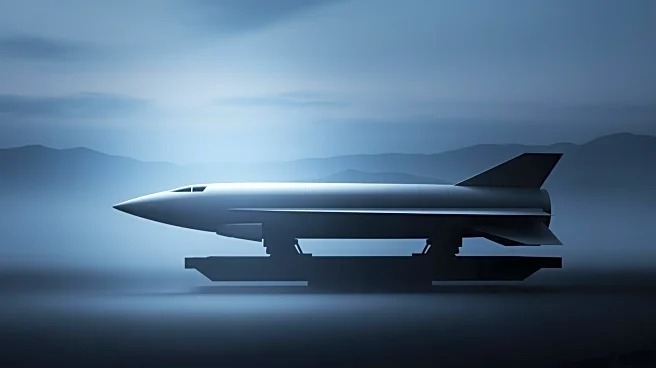
North Korean leader Kim Jong Un personally oversaw a long-range strategic cruise missile launching drill, as reported by state media KCNA. The test is a significant development in Pyongyang's expanding
nuclear ambitions, with Kim urging continuous development of the country's nuclear weapons forces. The missiles successfully hit their targets, demonstrating North Korea's advancing military capabilities. This test follows recent images showing progress on North Korea's first nuclear-powered submarine, further escalating regional tensions. In response, South Korea's President Lee Jae-myung plans to visit China to seek cooperation on addressing Pyongyang's nuclear ambitions. Meanwhile, Japan, South Korea, and the United States have conducted joint air drills, which North Korea claims undermine regional stability.
Why It's Important?
The missile test underscores North Korea's commitment to enhancing its nuclear capabilities, posing a significant threat to regional stability. The advancements in missile technology and submarine development could shift the balance of power in East Asia, prompting neighboring countries to bolster their defense strategies. The joint air drills by Japan, South Korea, and the United States highlight the growing concern over North Korea's military activities. The situation demands diplomatic efforts to prevent further escalation, with South Korea seeking China's assistance in managing the threat. The international community, including the U.S., must navigate these developments carefully to maintain peace and security in the region.
What's Next?
South Korean President Lee Jae-myung's upcoming visit to China is expected to focus on securing Beijing's cooperation in addressing North Korea's nuclear ambitions. The visit could lead to diplomatic initiatives aimed at reducing tensions and promoting dialogue. The U.S. may also seek to re-engage with Pyongyang, as President Trump has expressed willingness for fresh engagement. However, North Korea's continued military advancements may complicate these efforts, requiring a coordinated international response to ensure regional stability.