
What's Happening?
The International Institute for Sustainable Development's Global Subsidies Initiative has marked its 20th anniversary by examining the evolution of government subsidies. Initially criticized for market
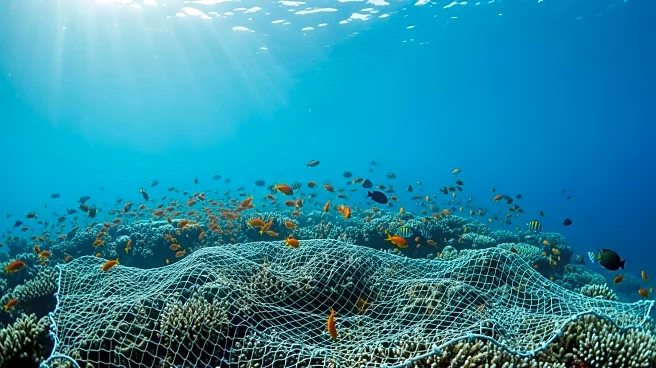
distortion, subsidies are now scrutinized for their environmental impact. The World Trade Organization's (WTO) Agreement on Fisheries Subsidies and the Agreement on Climate Change, Trade, and Sustainability are recent efforts to address harmful subsidies. These agreements aim to balance fossil fuel subsidies with carbon pricing and reduce overfishing. The initiative highlights a shift from eliminating subsidies to repurposing them for public goods, such as sustainable agriculture and renewable energy. Countries like Brazil and India are reforming subsidies to support low-carbon practices and solar-powered irrigation, respectively.
Why It's Important?
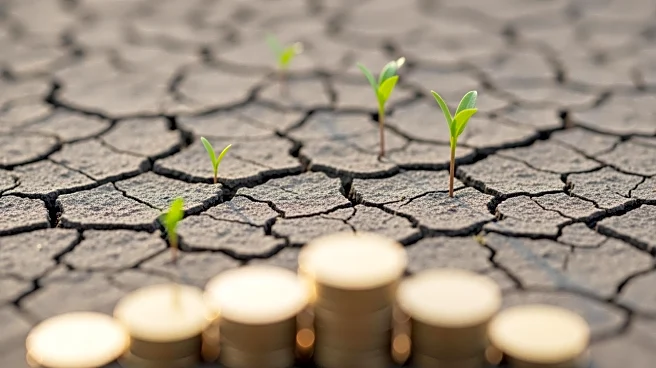
The shift in subsidy policy reflects a growing recognition of their dual role in both harming and protecting the environment. By repurposing subsidies, governments can drive innovation and support sustainable development. This approach can help mitigate climate change, promote food security, and foster green industries. However, the rise of global subsidy races poses challenges, as wealthier nations can outcompete poorer ones, potentially deepening global inequities. The WTO's efforts to regulate subsidies are crucial in preventing unfair advantages and environmental harm, ensuring that subsidies serve legitimate public interests.
What's Next?
The future of subsidies will likely focus on reforming harmful ones and promoting those that serve public goals. The WTO may need to reset rules governing government intervention in trade to prevent countries from bypassing existing regulations. Clearer guidance is necessary to distinguish between beneficial and harmful subsidies, protecting trading partners and the environment. As countries navigate industrial competitiveness and fiscal pressures, subsidy reform will be a powerful tool in steering economies toward sustainable models.