




What's Happening?
San Francisco, once a leader in restricting government surveillance, has reversed course, moving towards an expanded use of police surveillance technologies. In 2019, the city passed the Stop Secret Surveillance Ordinance, which mandated disclosure and approval
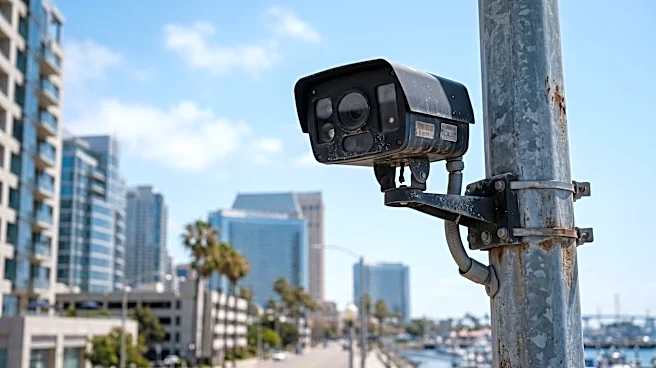
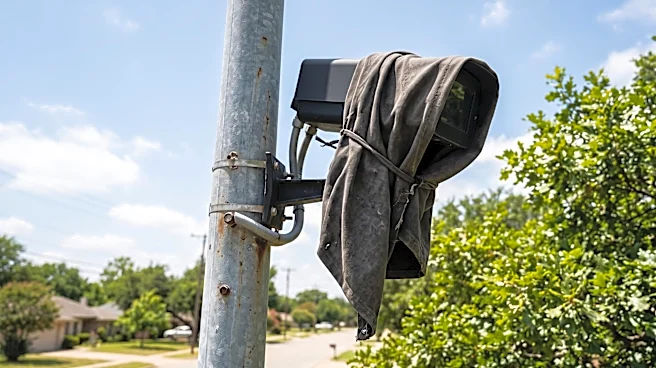
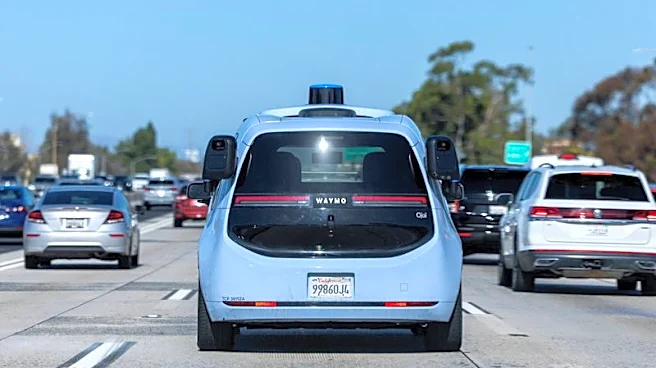
from elected officials for surveillance technology use, including a ban on facial recognition. However, in March 2024, voters approved Proposition E, which eased these oversight requirements, allowing police to deploy new surveillance tools like automated license plate readers, drones, and cameras before obtaining legislative approval. This shift reflects a long-standing tension between public safety demands and civil liberties, influenced by evolving digital technologies and changing political priorities. The expansion of surveillance capabilities has been ongoing since 9/11, with private technology companies developing systems that can combine vast amounts of data, enabling intelligence agencies to identify patterns and movements more effectively. Privacy advocates are concerned about the implications for civil liberties and the potential misuse of interconnected surveillance systems.
Why It's Important?
This policy reversal in San Francisco is significant as it marks a substantial shift in the balance between public safety and individual privacy rights within a major U.S. city. The move to allow police to deploy surveillance technologies without prior legislative approval could set a precedent for other municipalities grappling with similar issues. The increased use of interconnected surveillance systems raises fundamental questions about data control, potential misuse of information, and the erosion of civil liberties. For residents, this means a greater likelihood of being monitored through police cameras, license plate readers, and drones, potentially impacting their sense of privacy and freedom in public spaces. The debate highlights the ongoing national tension between law enforcement's desire for advanced tools to combat crime and advocates' concerns about the potential for overreach and the creation of a surveillance state. The outcome in San Francisco could influence future legislative efforts and public discourse on surveillance technology across the country.
What's Next?
Following the approval of Proposition E, San Francisco is expected to see a rapid deployment and expansion of automated license plate readers, police drones, and other surveillance tools. This immediate consequence will likely lead to increased data collection by law enforcement, which will be subject to ongoing scrutiny from privacy advocates. The implementation of these technologies will test the city's ability to balance public safety needs with civil liberties protections, potentially leading to new legal challenges or calls for further legislative adjustments. Community groups and privacy organizations are likely to monitor the use of these technologies closely, documenting instances of potential misuse or overreach. The long-term implications could include a re-evaluation of surveillance policies in other U.S. cities, as they observe San Francisco's experience with expanded police powers and the resulting impact on crime rates and civil liberties.
Beyond the Headlines
The shift in San Francisco's surveillance policy reflects a broader national trend where technological advancements often outpace regulatory frameworks, leading to complex ethical and legal dilemmas. The interconnectedness of modern surveillance systems means that data collected for one purpose can be repurposed or combined, creating a comprehensive digital footprint of individuals. This raises profound questions about data ownership, algorithmic bias, and the potential for discriminatory targeting. The psychological impact of constant surveillance on citizens, as noted by former Supervisor Aaron Peskin, suggests a potential chilling effect on free speech and assembly. Furthermore, the political vulnerability of privacy protections, as demonstrated by the reversal of the 2019 ordinance, highlights how public sentiment regarding crime can influence policy decisions, sometimes at the expense of civil liberties. This ongoing tension underscores the need for robust public debate and transparent governance in the deployment of powerful surveillance technologies.