



What's Happening?
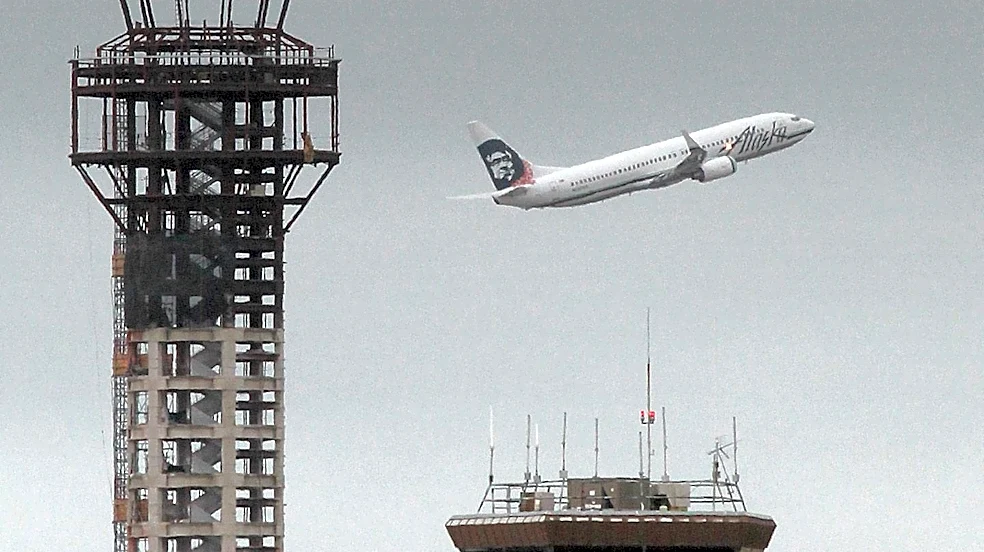
U.S. Representative Eric Sorensen (D-Moline) recently toured the construction site of the Quad Cities International Airport's Project Gateway, a $60 million terminal modernization plan. Specifically, Sorensen visited Phase 2 of the project, which involves
a $19 million investment and is expected to open in sections by November-December 2027. This phase focuses on enhancing the passenger experience from the entrance to the security checkpoint, including new lounge areas, expanded restrooms, nursing mothers' suites, and a reconfigured gift shop and restaurant. Sorensen highlighted the project's reliance on local union labor, noting that 96% of the labor for Phase 1 was performed by local workers. He emphasized that this commitment to local labor supports working people and ensures high-quality work. The project aims to modernize the 1985-era terminal to meet contemporary travel needs and position the airport for future growth.
Why It's Important?
This airport modernization project is significant for the Quad Cities region, as it represents a substantial investment in local infrastructure and economic development. By utilizing local union labor, the project directly injects funds into the regional economy through salaries and local contractor engagement. The improvements are designed to create a more welcoming and efficient travel experience, which is crucial for attracting new businesses, students, and tourists to the area. A world-class airport can serve as a vital gateway, shaping the first impressions of visitors and influencing decisions regarding investment and relocation. The project also addresses evolving travel demands, such as modern security requirements and passenger comfort, ensuring the airport remains competitive and functional for decades to come. The emphasis on local art and historical displays within the terminal also aims to foster a sense of regional identity and pride.
What's Next?
Phase 2 of Project Gateway is scheduled to open in sections, with some new areas, including parts of the terrazzo floor, restrooms, and a nursing mothers' area, expected to be completed by December 2026. The entire Phase 2 is projected to be finished by the end of 2027. Following this, Phase 3, which will focus on expanding and improving the TSA security area, is anticipated to begin around December 2027, depending on design and funding. This phased approach indicates a continuous effort to upgrade the airport's facilities. The ongoing progress will likely be monitored by local officials and community stakeholders, with continued emphasis on the project's economic benefits and its impact on regional connectivity and tourism. Future funding allocations, potentially from federal programs like the Airport Terminal Program and the Infrastructure Investment and Jobs Act, will be critical for the successful completion of subsequent phases.
Beyond the Headlines
The Quad Cities International Airport's modernization project extends beyond mere infrastructure upgrades; it reflects a broader strategy for regional competitiveness and identity. By transforming the airport into a modern, welcoming hub, the Quad Cities aims to project an image of a forward-thinking community capable of attracting external investment and talent. The integration of local art and historical elements, such as the 1928 Monocoupe airplane and rotating art galleries, serves to showcase the region's cultural heritage and artistic vibrancy, offering a unique experience for travelers. This approach highlights a growing trend in regional development where airports are seen not just as transit points but as integral components of a region's brand and economic appeal. The project also underscores the importance of public-private partnerships and federal funding in driving significant local development initiatives, demonstrating how strategic investments can yield long-term benefits for communities.