
What's Happening?
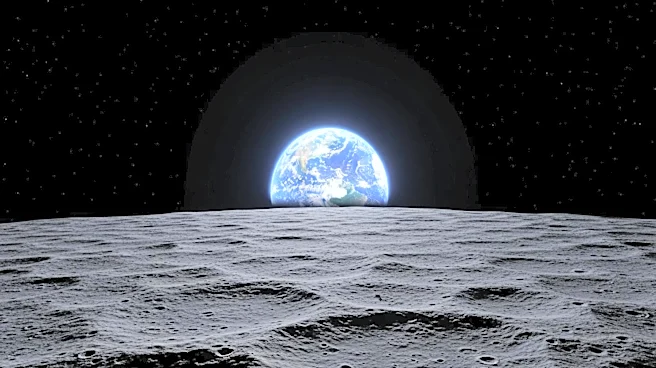
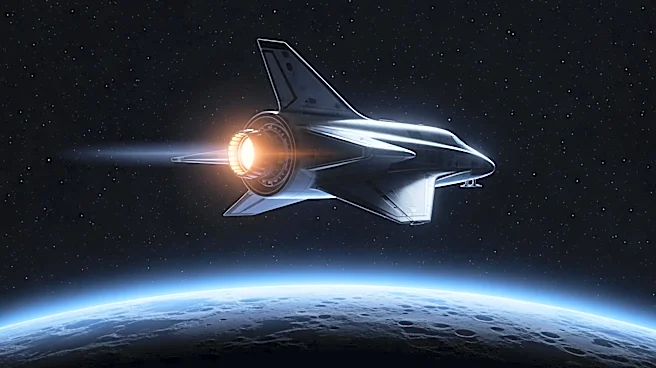
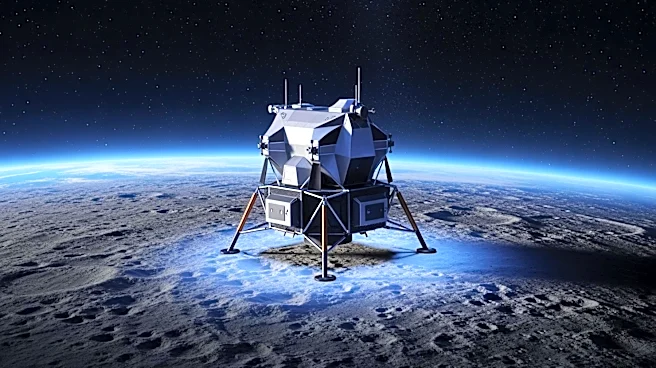
NASA's Artemis II mission is set to return astronauts to the lunar system for the first time in over 50 years, marking a significant milestone in space exploration. This mission is part of a broader effort
to reframe humanity's relationship with the moon, which has historically served as a timekeeper, deity, and scientific focus. Science writer Rebecca Boyle, in her book 'Our Moon: How Earth's Celestial Companion Transformed the Planet, Guided Evolution, and Made Us Who We Are,' explores the moon's influence on Earth and human civilization. The Artemis program is expected to change how we perceive the moon, emphasizing its role as a companion world rather than just a distant celestial body.
Why It's Important?
The Artemis missions represent a pivotal moment in space exploration, potentially altering our understanding of the moon and its significance to Earth. By returning to the moon, NASA aims to gather new data that could provide insights into the moon's composition and its historical relationship with Earth. This mission could also inspire a new generation of scientists and engineers, highlighting the importance of continued investment in space exploration. The program underscores the moon's unique role in Earth's climate, geology, and the evolution of life, suggesting that our existence is closely tied to this celestial neighbor.
What's Next?
As the Artemis II mission progresses, it is expected to pave the way for future lunar explorations, including the establishment of a moon base. This could lead to sustained human presence on the moon, fostering advancements in technology and science. The mission's success may also influence international collaborations in space exploration, as countries seek to participate in lunar research and development. The Artemis program's outcomes could shape future policies and funding for space exploration, emphasizing the moon's strategic importance in understanding Earth's past and future.
Beyond the Headlines
The Artemis missions could have profound cultural and ethical implications, challenging humanity to reconsider its place in the universe. The renewed focus on the moon may inspire artistic and philosophical reflections on our relationship with space. Additionally, the missions raise questions about the ethical considerations of lunar exploration, such as the preservation of the moon's natural state and the potential for commercial exploitation. As we venture further into space, these missions may prompt discussions about the responsibilities of spacefaring nations and the need for international regulations.