







What's Happening?
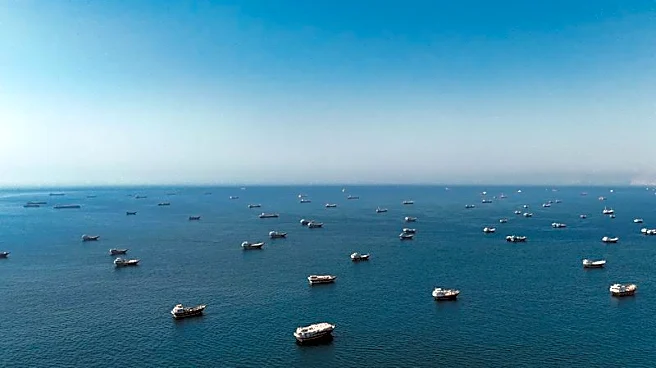
The ongoing conflict in the Strait of Hormuz has significantly impacted global energy security, highlighting the vulnerabilities of fossil fuel supply chains. The strait, a critical passage for around 20% of the world's oil and liquefied natural gas,
has been closed due to geopolitical tensions, leading to disruptions in energy supply. Energy experts, including those from Nordic energy companies Fortum and Statkraft, have pointed out that fossil fuels are now seen as intermittent and uncertain, a criticism previously directed at renewable energy sources. This shift in perception is prompting a reevaluation of energy policies, with a growing emphasis on renewable energy as a more stable alternative. The situation has also led to increased fuel costs and concerns over food security in regions heavily reliant on fossil fuel imports.
Why It's Important?
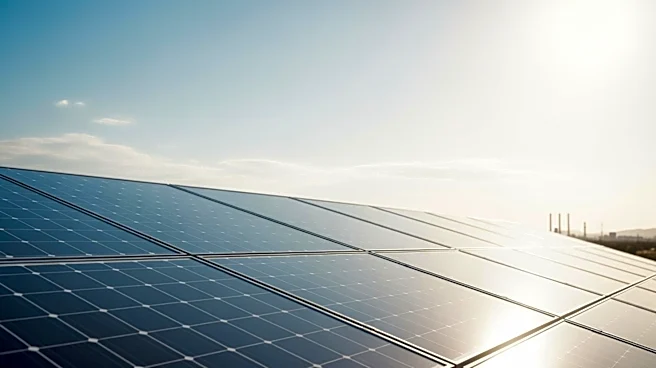
The closure of the Strait of Hormuz underscores the fragility of global fossil fuel supply routes and the need for diversified energy sources. This development is significant for U.S. energy policy as it may accelerate the transition towards renewable energy, reducing dependency on imported fossil fuels. The shift could lead to increased investment in solar, wind, and battery technologies, which are seen as more reliable and sustainable. For industries and consumers, this transition could mean more stable energy prices and reduced exposure to geopolitical risks. However, the shift also poses challenges for businesses and households currently dependent on fossil fuels, requiring significant adjustments in energy infrastructure and consumption patterns.
What's Next?
As the conflict in the Strait of Hormuz continues, countries are likely to expedite their transition to renewable energy sources. Policymakers may introduce incentives to boost domestic clean energy production and reduce reliance on imported fossil fuels. Energy companies might increase investments in renewable technologies and infrastructure to meet the growing demand for sustainable energy solutions. Additionally, international cooperation could be strengthened to ensure energy security and stability in the face of geopolitical tensions. The situation may also prompt further discussions on energy policy reforms and the role of renewables in achieving long-term energy security.