





What's Happening?
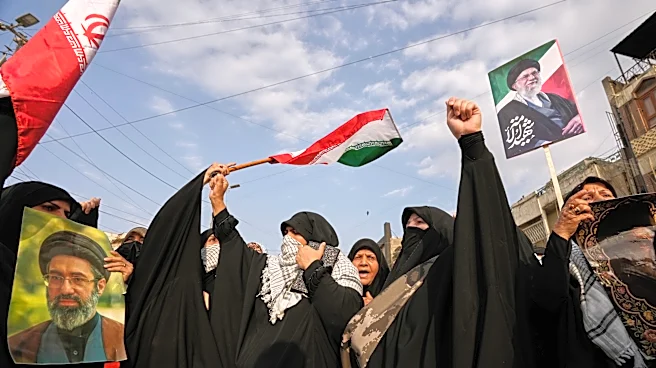
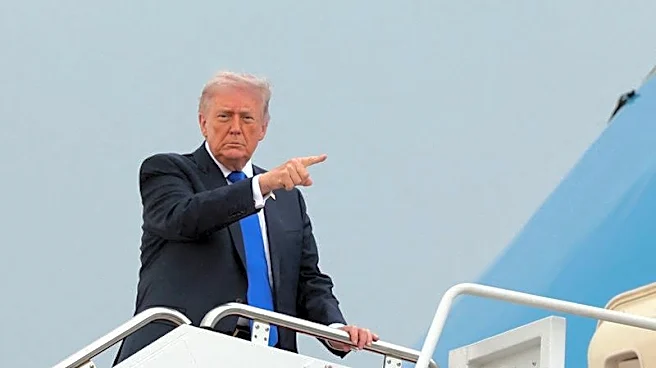
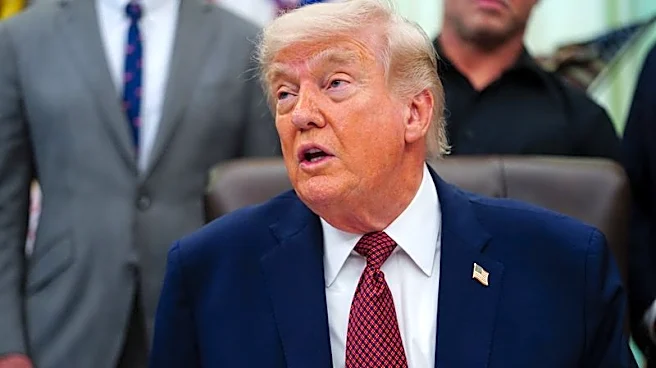
Rep. Ro Khanna, a Democrat from California, expressed skepticism about President Trump's ability to secure congressional authorization for continued military operations in Iran. This statement comes as a key War Powers deadline approaches, which will
determine the legality of ongoing military actions. Khanna's comments were made during an interview on Meet the Press, where he highlighted the challenges President Trump faces in gaining the necessary congressional support. The War Powers Resolution requires the President to obtain congressional approval for military actions lasting more than 60 days, unless Congress has declared war or granted an extension. The upcoming deadline is critical as it will dictate whether the current military operations can legally continue without explicit congressional consent.
Why It's Important?
The issue of congressional authorization for military action in Iran is significant as it underscores the balance of power between the executive and legislative branches of the U.S. government. The War Powers Resolution is designed to prevent prolonged military engagements without congressional oversight, ensuring that such decisions reflect the will of the American people through their elected representatives. If President Trump fails to secure authorization, it could lead to a cessation of military activities in Iran or force the administration to seek alternative strategies. This situation also highlights the broader debate over the President's military powers and the role of Congress in foreign policy decisions, which could have lasting implications for U.S. military engagements worldwide.
What's Next?
As the War Powers deadline approaches, it is anticipated that there will be increased discussions and negotiations between the White House and Congress. Lawmakers may propose resolutions or amendments to address the situation, potentially leading to a vote on whether to authorize continued military action in Iran. The outcome of these discussions could influence U.S. foreign policy and military strategy in the region. Additionally, the administration may explore diplomatic avenues or seek to de-escalate tensions with Iran to avoid the need for further military intervention.