







What's Happening?
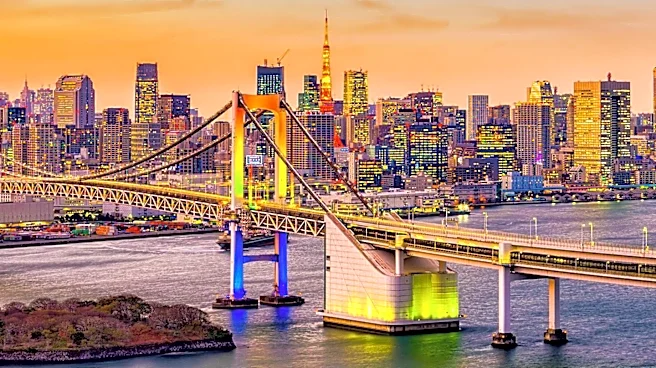
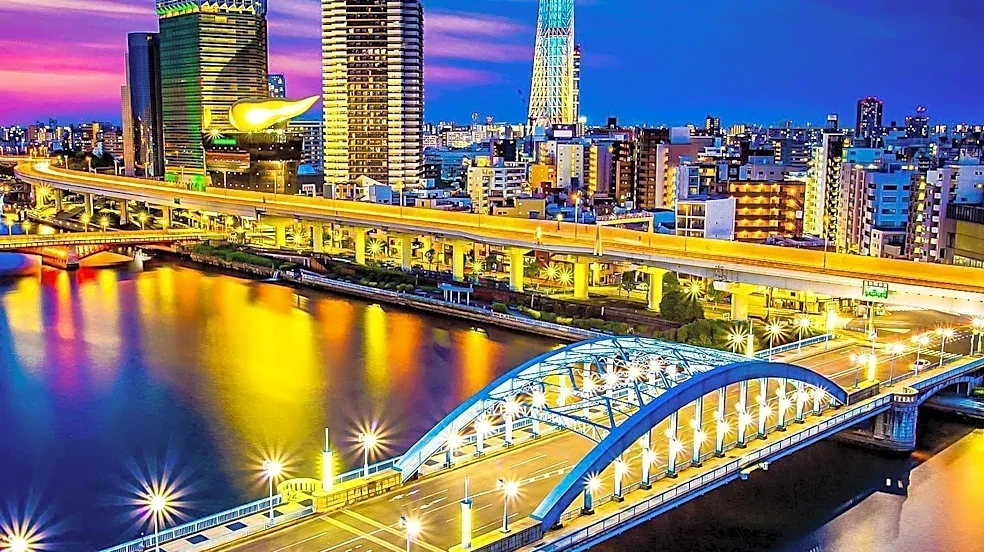
Tokyo, the capital and largest city of Japan, is a vibrant metropolis known for its blend of ancient cultural traditions and ultra-modern advancements. The city provides a vast array of entertainment, dining, nightlife, art exhibits, and landmarks. Visitors
can explore historic temples in areas like Asakusa, experience cutting-edge design in Shibuya and Harajuku, and find luxury boutiques in Ginza. Despite its urban density, over 35% of Tokyo's metropolitan prefecture is designated as natural parks, offering serene escapes. The city's extensive rail system facilitates easy exploration of its diverse neighborhoods. Key attractions include the Tokyo National Museum, Ueno Zoo, sumo matches at Ryogoku Kokugikan, Shibuya Crossing, Shinjuku Golden Gai, Harajuku Takeshita Street, and views of Mount Fuji. Tokyo is also a popular departure port for cruises, with world-class airports and a convenient train and subway system.
Why It's Important?
Tokyo's status as a global hub for culture, technology, and commerce makes it a significant destination for international tourism and business. Its ability to seamlessly integrate historical sites with modern innovations offers a unique experience that attracts millions of visitors annually. The city's robust infrastructure, including its efficient public transportation and international airports, supports its role as a major gateway to Asia. For the U.S. tourism industry, Tokyo represents a key destination for American travelers seeking diverse cultural experiences, potentially influencing travel trends and demand for flights and tour packages to Japan. The city's economic vitality, driven by its diverse offerings, also contributes to global economic activity and cross-cultural exchange, fostering international relations and understanding.
What's Next?
Tokyo is expected to continue its role as a leading global city, constantly evolving its urban landscape while preserving its rich heritage. Future developments may focus on enhancing sustainable tourism practices and further integrating technology into visitor experiences. The city will likely remain a top choice for international events, conferences, and cultural festivals, drawing in diverse audiences. As a major cruise departure port, Tokyo will continue to serve as a starting point for Pacific cruises, with ongoing efforts to improve port facilities and connectivity. The city's commitment to maintaining its pristine cosmopolitan areas and natural parks suggests a continued balance between urban development and environmental preservation, ensuring its appeal for future generations of residents and tourists alike.
Beyond the Headlines
Beyond its immediate attractions, Tokyo embodies a fascinating duality where ancient customs coexist with futuristic innovation. This cultural juxtaposition offers profound insights into Japanese society's ability to honor tradition while embracing progress. The city's emphasis on politeness and order, even amidst its bustling environment, reflects deeper societal values that contribute to its unique charm and efficiency. The extensive network of izakayas and neighborhood shops, particularly in areas like Yanaka, provides a glimpse into the communal and social fabric of Japanese life, offering an authentic experience beyond the major tourist sites. This blend of the old and new, the serene and the dynamic, makes Tokyo a compelling case study in urban development and cultural identity, influencing global trends in design, cuisine, and lifestyle.