




What's Happening?
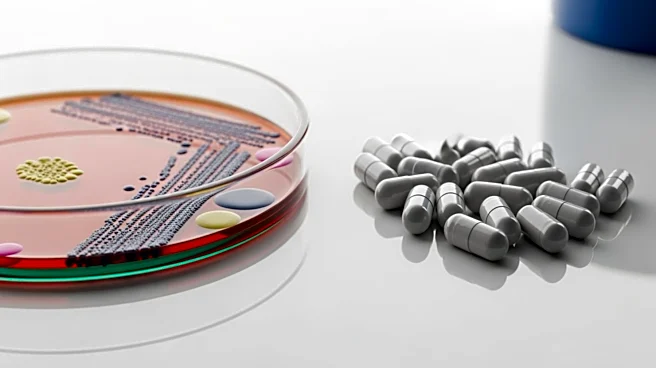
Research published in RSC Medicinal Chemistry suggests that madecassic acid, a popular ingredient in Korean skincare, may possess antibacterial properties. The study found that madecassic acid can inhibit antibiotic-resistant E. coli by binding to cytochrome
bd, a respiratory protein complex essential for bacterial survival. The research involved isolating and chemically modifying madecassic acid to create variants that effectively inhibited bacterial growth. While promising, experts caution that further research is needed to develop madecassic acid into a viable antibiotic, as most antibiotics fail in clinical trials.
Why It's Important?
The discovery of madecassic acid's antibacterial properties comes at a critical time when antimicrobial resistance poses a significant threat to global health. Developing new antibiotics is crucial to combat resistant pathogens, and madecassic acid offers a potential starting point for further research. If successful, chemically modified versions of madecassic acid could contribute to the antibiotic pipeline, addressing the urgent need for new treatments. This research highlights the importance of exploring natural compounds for their medicinal properties, potentially leading to innovative solutions in the fight against antimicrobial resistance.