





What's Happening?
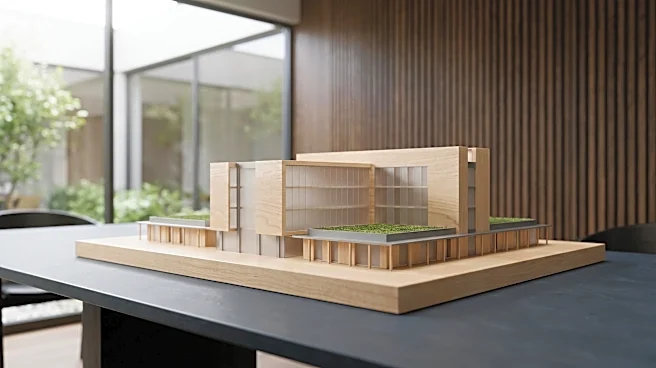
Vandalia Health and Mary Free Bed Rehabilitation have commenced construction on a new $50 million rehabilitation hospital in Charleston, West Virginia. This joint venture aims to significantly enhance specialized medical care in the region. The facility
is designed to provide comprehensive rehabilitation services, addressing a critical need for advanced post-acute care for patients recovering from various conditions, including strokes, spinal cord injuries, and traumatic brain injuries. The project represents a substantial investment in the local healthcare infrastructure, promising to bring state-of-the-art medical technology and specialized treatment protocols to the community. This development is a direct response to the growing demand for high-quality rehabilitation services, which are essential for improving patient outcomes and quality of life after serious medical events. The collaboration between Vandalia Health, a prominent local healthcare provider, and Mary Free Bed Rehabilitation, a nationally recognized leader in rehabilitation medicine, is expected to establish a new benchmark for rehabilitative care in West Virginia.
Why It's Important?
The construction of this $50 million rehabilitation hospital is a significant development for the healthcare landscape in Charleston and the broader West Virginia region. It addresses a critical gap in specialized medical services, particularly for patients requiring intensive rehabilitation. The partnership between Vandalia Health and Mary Free Bed Rehabilitation brings together local expertise with national leadership in rehabilitation medicine, which is expected to elevate the standard of care available to residents. This investment will not only improve patient access to advanced therapies but also create numerous job opportunities in the healthcare sector, including for specialized therapists, nurses, and support staff. The presence of a dedicated, state-of-the-art rehabilitation facility can also reduce the need for patients to travel out of state for specialized care, keeping healthcare resources and economic benefits within the community. Furthermore, improved rehabilitation outcomes can lead to a more productive workforce and a higher quality of life for individuals recovering from debilitating conditions.
What's Next?
Following the groundbreaking, construction on the $50 million rehabilitation hospital is expected to proceed over the next several months. The project will involve significant coordination between Vandalia Health, Mary Free Bed Rehabilitation, and various construction and medical equipment suppliers. Once completed, the hospital will begin the process of staffing, recruiting specialized medical professionals, and preparing for patient admissions. This will likely involve extensive training programs to ensure staff are proficient in utilizing the new facility's advanced technologies and treatment protocols. The opening of the hospital will mark a new era for rehabilitation services in Charleston, potentially attracting patients from across the state and neighboring regions. Future developments may include the expansion of specialized programs or the integration of new rehabilitation technologies as medical science advances, further solidifying the facility's role as a regional leader in rehabilitative care.
Beyond the Headlines
The establishment of this new rehabilitation hospital extends beyond immediate healthcare benefits, signaling a broader commitment to improving public health infrastructure in West Virginia. It highlights a growing trend in healthcare towards specialized, patient-centered care models that focus on long-term recovery and functional independence. This investment could also serve as a catalyst for further economic development in the Charleston area, attracting other healthcare-related businesses and professionals. Ethically, the hospital's focus on rehabilitation underscores the importance of restoring dignity and quality of life for individuals facing significant physical challenges, moving beyond acute treatment to comprehensive recovery. Legally, such a large-scale healthcare project will involve navigating complex regulatory frameworks, ensuring compliance with state and federal healthcare laws. Culturally, the presence of a leading rehabilitation center can foster a greater community awareness and understanding of the needs of individuals with disabilities and those undergoing recovery, potentially leading to more inclusive societal practices.