







What's Happening?
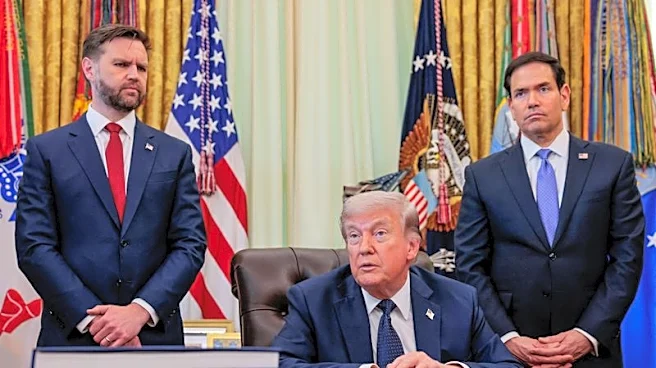
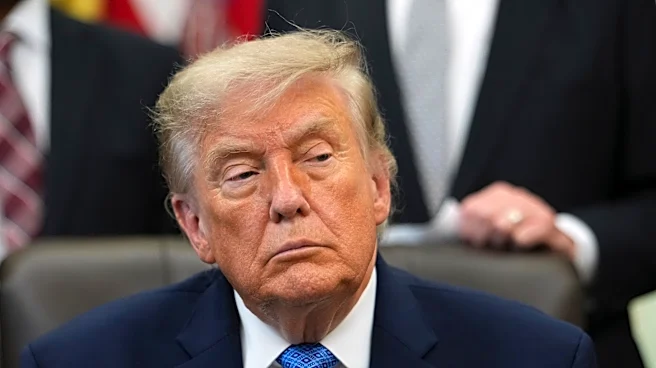
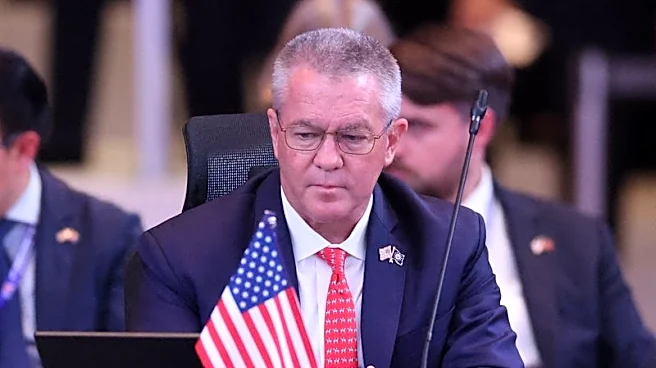
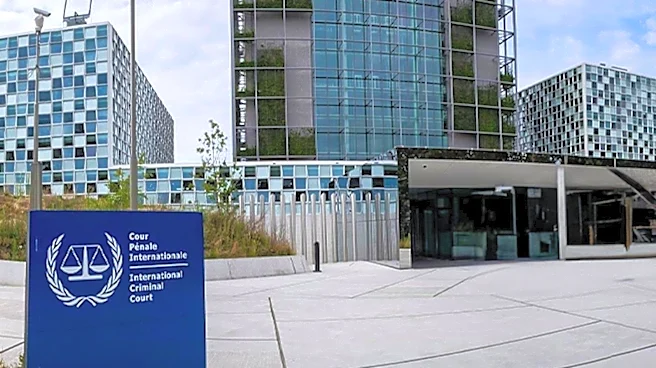
Three judges from the International Criminal Court (ICC) have filed a lawsuit against President Trump and his administration, challenging the legality of sanctions imposed on them. The sanctions, which were enacted during Trump's first term, targeted
the judges' financial assets and restricted U.S.-based entities from engaging in transactions with them. The judges argue that these measures were intended to exert extrajudicial pressure, aiming to punish and coerce them regarding their judicial decisions. The sanctions were a response to the ICC's actions, including an arrest warrant for Israeli Prime Minister Benjamin Netanyahu and investigations into alleged U.S. war crimes in Afghanistan. The lawsuit, filed in a Manhattan federal court, claims the sanctions exceed the scope of the International Emergency Economic Powers Act and lack a genuine national emergency basis.
Why It's Important?
This legal action highlights the ongoing tension between the U.S. and international judicial bodies like the ICC. The sanctions have significant implications for international law and the independence of judicial processes. By targeting the judges' financial interests, the sanctions could undermine the ICC's ability to function impartially, potentially affecting its credibility and authority. The case also reflects broader geopolitical dynamics, as the U.S. has historically been critical of the ICC's jurisdiction, particularly concerning American and allied military actions. The outcome of this lawsuit could influence future U.S. foreign policy and its interactions with international legal institutions.
What's Next?
The lawsuit will proceed in the U.S. federal court system, where the judges will seek to have the sanctions declared unlawful. The case could prompt reactions from international legal communities and human rights organizations, potentially leading to diplomatic discussions about the role and authority of the ICC. If the court rules in favor of the judges, it may set a precedent limiting the U.S. government's ability to impose similar sanctions in the future. Conversely, a ruling in favor of the Trump administration could embolden further actions against international judicial bodies.