



What's Happening?
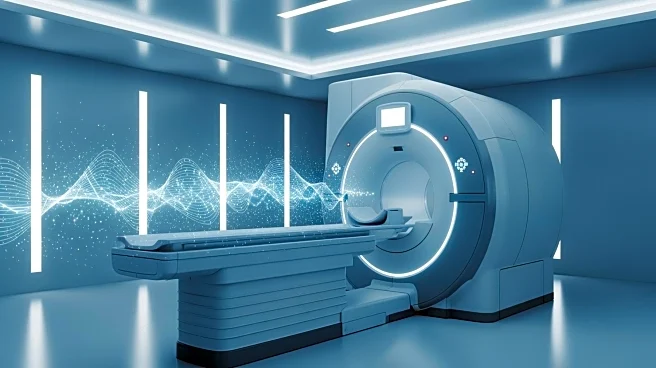
NVision Imaging Technologies has announced that its quantum-based MRI device, Polaris, is being utilized by Memorial Sloan Kettering Cancer Center (MSK) in preclinical studies. This marks the first time NVision's technology is being used at a major cancer
research institution to monitor the efficacy of targeted therapies. The Polaris device enhances MRI signals of sugars by over 10,000 times through hyperpolarization, allowing for real-time measurement of cell metabolism. This advancement could revolutionize cancer diagnosis and treatment monitoring by revealing metabolic changes in tumors, which traditional anatomical MRIs cannot detect. The studies will focus on various cancers, including pancreatic, prostate, breast, and brain tumors.
Why It's Important?
The integration of NVision's Polaris technology into cancer research represents a significant leap forward in oncology. By making cancer metabolism visible, this technology could lead to faster and more accurate cancer diagnoses and treatment assessments. This is particularly crucial given the increasing number of cancer treatment options available, as it could reduce the feedback cycle from months to days. Such advancements could improve patient outcomes and quality of life by allowing for quicker adjustments in treatment strategies. The potential for clinical translation of this research could have widespread implications for cancer treatment globally.
What's Next?
NVision plans to expand the deployment of its Polaris systems to other top cancer centers worldwide, with the aim of beginning clinical studies by 2026. This expansion could further validate the technology's effectiveness and pave the way for its integration into standard clinical practice. As the technology becomes more widely used, it could lead to a paradigm shift in how cancer is diagnosed and treated, potentially influencing healthcare policies and practices.