






What's Happening?
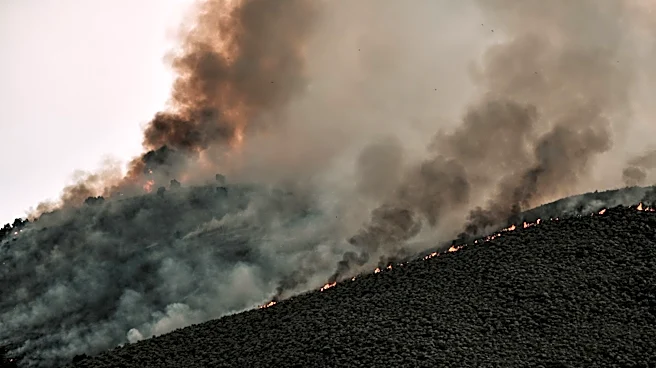
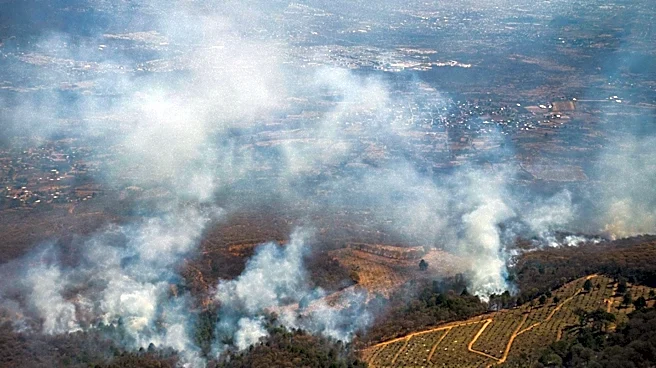
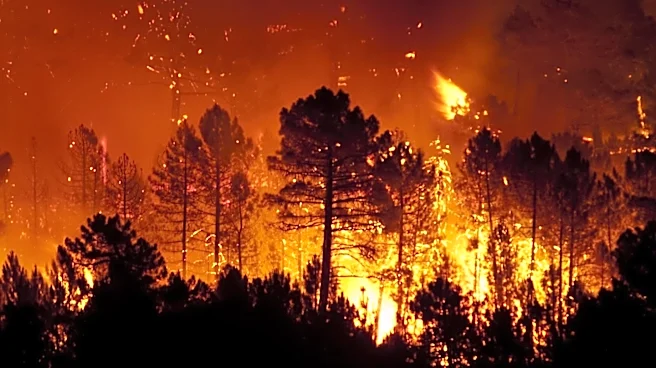
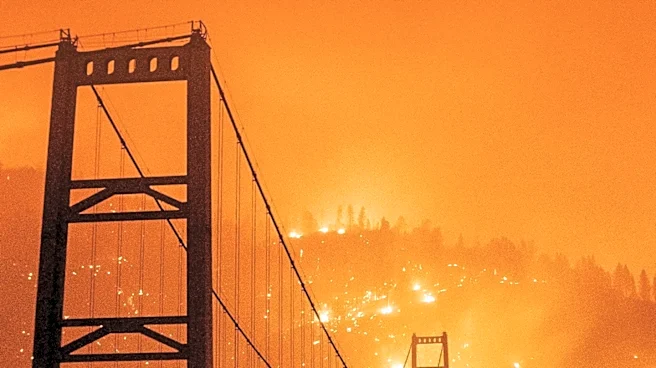
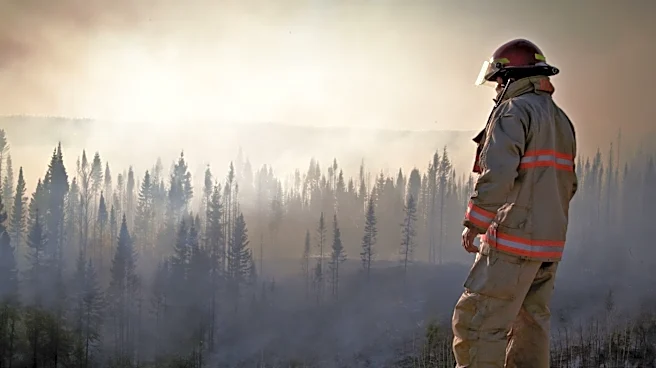
Wildfire smoke, increasingly prevalent due to climate change, poses severe health risks by affecting nearly every system in the human body. Studies have shown that smoke can exacerbate asthma, increase the risk of heart attacks, and lead to mental health issues.
It also poses risks to pregnant women, potentially causing premature births and low-weight babies. The smoke contains over 1,000 toxins, including formaldehyde and volatile organic compounds, which can lead to long-term health issues such as cancer and dementia. The rising frequency and intensity of wildfires globally are exacerbating these health impacts.
Why It's Important?
The health implications of wildfire smoke are a growing public health concern, particularly as climate change leads to more frequent and intense fires. Understanding the full scope of health risks associated with smoke exposure is crucial for developing effective public health strategies and policies. This includes improving air quality monitoring, enhancing public awareness, and implementing protective measures for vulnerable populations. The findings also highlight the need for global efforts to address climate change and reduce the incidence of wildfires, thereby mitigating their health impacts.