



What's Happening?
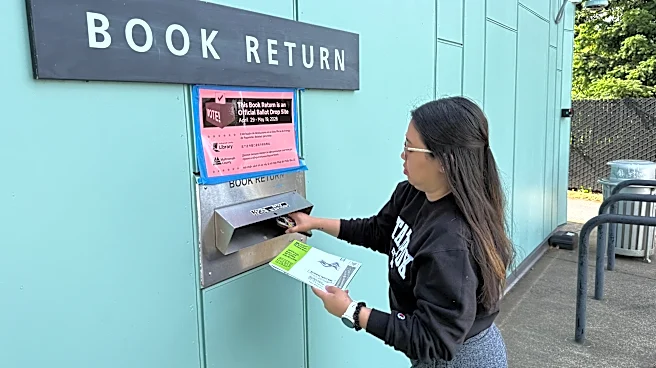
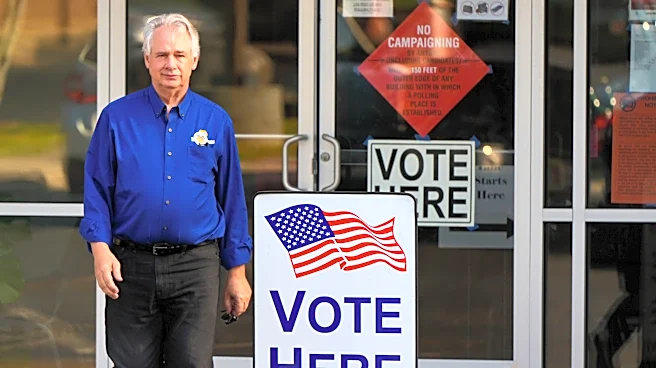
In Oregon, voters have overwhelmingly rejected a proposal to increase the state's gas tax, payroll tax, and vehicle registration and title fees. The measure, known as Measure 120, was intended to fund road maintenance and operations across the state.
Initial election results showed the measure failing by a 4:1 margin. The rejection means that cities and counties will not receive the additional funding needed for infrastructure improvements, particularly in rural areas. The decision comes amid rising gas prices and ongoing debates over transportation funding.
Why It's Important?
The defeat of Measure 120 highlights the challenges of securing public support for tax increases, even when aimed at critical infrastructure needs. The decision leaves Oregon's transportation system facing significant funding gaps, which could lead to cuts in maintenance and operations. This outcome underscores the need for innovative funding solutions to address the state's long-term transportation challenges, especially as fuel efficiency and electric vehicle adoption reduce gas tax revenues. The vote reflects broader economic concerns and the difficulty of balancing fiscal responsibility with infrastructure investment.
What's Next?
Governor Tina Kotek has tasked a workgroup with finding sustainable solutions to Oregon's transportation funding crisis. The group will present recommendations by the end of the year, which will inform legislative efforts in the 2027 session. Lawmakers will need to consider alternative funding mechanisms to ensure the state's transportation infrastructure can meet future demands. The ongoing debate over transportation funding is likely to remain a key issue in Oregon's political landscape.