






What's Happening?
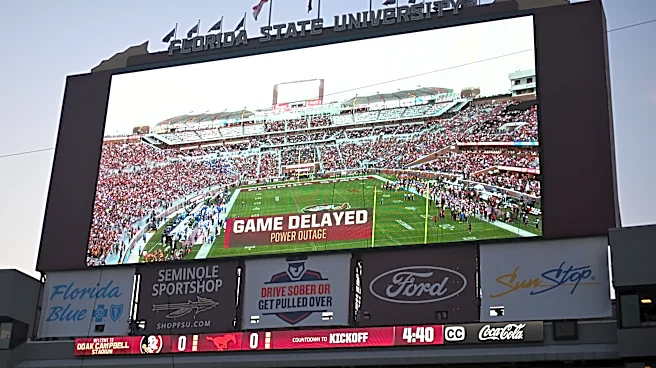
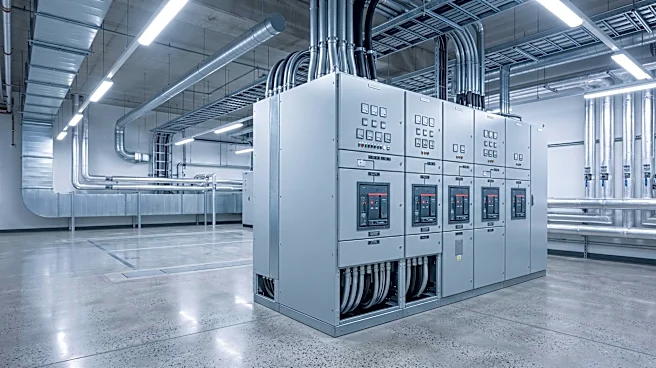
A power outage at Florida State University (FSU) on Monday delayed a football game by nearly two hours and continues to impact classes held in University Center C (UCC). The outage was caused by the failure of a 1200-amp main breaker within the UCC's
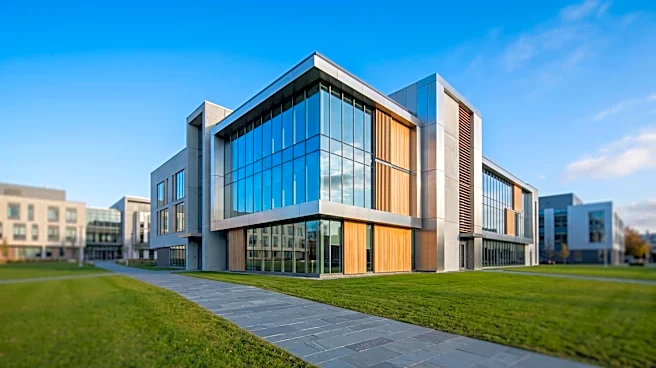
switchgear system, which FSU officials determined to be beyond repair due to an underlying electrical fault. This failure led to a widespread power outage affecting HVAC systems, communications infrastructure, and other building systems within UCC. While FSU electrical staff managed to modify the electrical distribution to restore essential services, the UCC building's electrical system requires rebuilding. A generator is en route for installation to ensure continuity of operations for classes and offices in UCC, where classes are currently being held remotely. No other university buildings or student housing complexes were affected by this incident. A video circulating on social media suggesting a car crash caused the outage was confirmed by officials to be unrelated and depict an old incident.
Why It's Important?
This incident highlights the critical importance of robust and reliable electrical infrastructure in large institutions like universities, especially when hosting major public events such as sports games. The failure of a single 1200-amp main breaker caused significant disruption, affecting not only a scheduled athletic event but also academic operations, forcing classes to move online. For FSU, the event underscores potential vulnerabilities in its campus infrastructure and the need for proactive maintenance and contingency planning to prevent future disruptions. The financial implications could include costs for emergency repairs, generator rental, and potential reputational damage from event delays. For students and faculty, the remote class mandate in UCC disrupts the normal learning and working environment, emphasizing the ripple effect of infrastructure failures beyond immediate power loss. The incident also serves as a reminder for other large venues and institutions to regularly assess and upgrade their electrical systems to avoid similar widespread impacts.
What's Next?
FSU's Facilities teams are focused on business continuity and restoration efforts for University Center C. The electrical system in the UCC building must be rebuilt, and a generator is being installed to ensure continued operations for classes and offices. Classes currently held in UCC will continue remotely until the electrical system is fully restored and deemed safe for in-person activities. The university will likely conduct a thorough review of its electrical infrastructure and maintenance protocols to prevent similar incidents in the future. There may also be ongoing communication with students, faculty, and the public regarding the progress of repairs and the timeline for UCC's full operational return. The incident could prompt discussions about infrastructure resilience and emergency preparedness across other university campuses and public venues.
Beyond the Headlines
The FSU power outage, while seemingly a localized event, touches upon broader themes of infrastructure aging and resilience in the face of increasing demands. Modern universities are complex ecosystems, heavily reliant on uninterrupted power for everything from academic research and data centers to student housing and large-scale events. The failure of a critical component like a main breaker, even without external factors like severe weather, exposes the inherent vulnerabilities in such systems. This incident could spark a wider conversation within higher education and public event management sectors about investment in infrastructure upgrades, the implementation of smart grid technologies, and the development of more robust backup systems. It also subtly highlights the growing expectation for seamless operations in a technologically dependent society, where even a temporary disruption can lead to significant inconvenience and financial strain. The reliance on remote learning during the outage also underscores the dual role of technology as both a potential point of failure and a crucial tool for continuity.