





What's Happening?
The United Nations University (UNU) has released an article explaining the phenomenon of sea level rise, its primary drivers, and its significant implications for coastal communities globally. Sea level rise, defined as the long-term increase in the average
height of the ocean, is predominantly caused by human-induced global warming. The two main processes contributing to this rise are the melting of land-based ice, such as glaciers and ice sheets in Greenland and Antarctica, and thermal expansion of ocean water. The ocean has absorbed over 90% of the excess heat in the Earth system since 1971, causing the water to expand as it warms. The extent of sea level rise varies geographically due to factors like ocean currents, winds, gravity, and land movements, with local impacts potentially exacerbated by land subsidence from activities like groundwater extraction. Around 900 million people reside in low-elevation coastal areas, making them highly vulnerable to these changes.
Why It's Important?
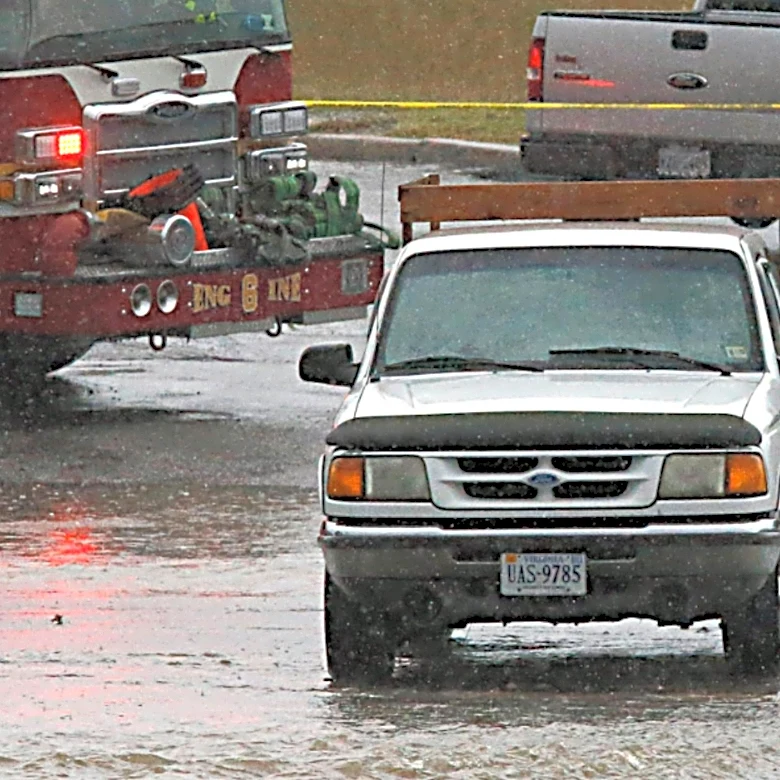
Sea level rise poses a critical threat to approximately 900 million people living in low-elevation coastal areas, impacting their homes, livelihoods, and cultural connections to their land. Increased frequency and severity of flooding, damage to essential infrastructure, and land loss due to erosion are direct consequences. Furthermore, saltwater intrusion into freshwater supplies, rivers, and agricultural lands threatens drinking water, crop yields, and food security. Coastal ecosystems like mangroves, salt marshes, coral reefs, and beaches are also at risk, leading to biodiversity loss and disruption of local economies dependent on these environments. Small Island Developing States and densely populated river deltas are particularly vulnerable, with the most at-risk populations struggling to adapt or relocate. The difference of a few centimeters in sea level rise can determine whether communities face manageable risks or are forced into difficult choices about their future.
What's Next?
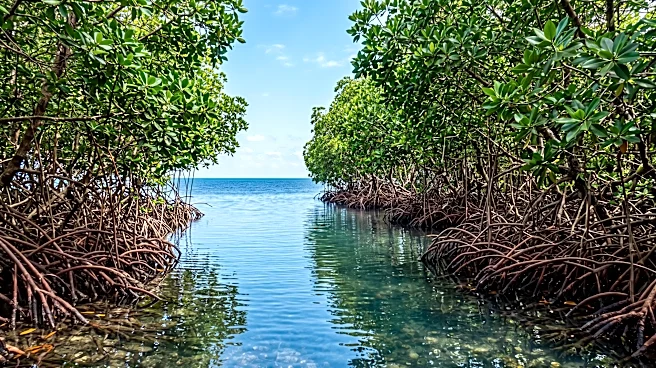
While some degree of sea level rise is now unavoidable, the UNU emphasizes that reducing greenhouse gas emissions remains crucial to limit the future scale and speed of this rise, providing communities more time to adapt. Coastal communities require immediate support to prepare for ongoing changes. Nature-based solutions, such as protecting and restoring mangroves, wetlands, coral reefs, and sand dunes, can serve as effective defenses by absorbing wave energy, reducing erosion, and limiting coastal flooding. These natural solutions also support biodiversity and local livelihoods. Depending on local contexts, these approaches can be combined with engineered solutions like seawalls, flood barriers, improved drainage, elevated buildings, and strengthened early warning systems. Effective decision-making will integrate scientific evidence with local and Indigenous knowledge, ensuring communities have a meaningful role in shaping their future responses.
Beyond the Headlines
The issue of sea level rise extends beyond immediate environmental and economic impacts, touching upon profound ethical and social justice dimensions. The disproportionate impact on vulnerable communities, particularly in Small Island Developing States and low-lying coastal regions, highlights global inequalities in climate change resilience. The potential for forced displacement and migration due to uninhabitable coastal areas raises complex questions about human rights, international aid, and the responsibility of high-emitting nations. Furthermore, the loss of ancestral lands and cultural heritage due to rising waters represents an irreversible blow to identity and community cohesion. The need for equitable and just relocation strategies, coupled with robust international cooperation, becomes paramount to address the long-term societal shifts triggered by this environmental crisis. The integration of traditional knowledge with scientific approaches underscores a broader recognition of diverse wisdom systems in tackling global challenges.