



What's Happening?
Major faith-based organizations, including ACT Alliance, Caritas Internationalis, and Islamic Relief Worldwide, have issued a statement demanding immediate international action to protect civilians in Sudan. The conflict, which began in April 2023, has
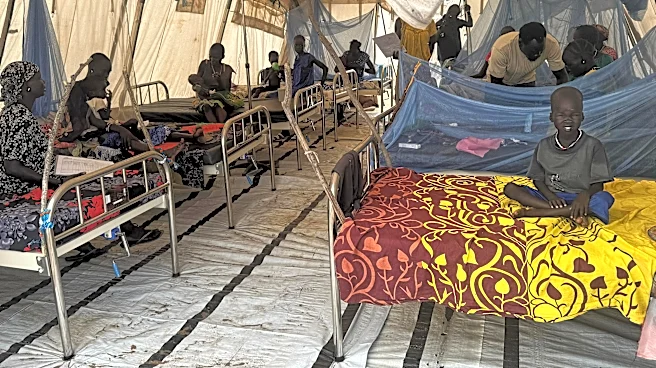
led to severe humanitarian challenges, with over two-thirds of Sudan's population requiring assistance. The groups are calling for an enforceable ceasefire and accountability for violations of international humanitarian law. The ongoing war has devastated civilian life, destroyed infrastructure, and restricted humanitarian aid efforts. The United Nations describes the situation as the world's largest humanitarian crisis, with nearly twelve million people displaced and severe shortages of food and medicine.
Why It's Important?
The crisis in Sudan poses significant risks to regional stability, affecting economic cooperation on Nile water resources and major oil pipelines. Environmental factors, such as droughts and floods driven by climate change, have further strained resources. The conflict is exacerbated by foreign interference, with reports of arms supplies from various countries. The humanitarian catastrophe has deep roots in political discord between Sudanese generals, and the lack of political will to negotiate peace is prolonging the suffering. Faith groups emphasize the need for sustained international engagement and support to restore the country's economy and infrastructure.
What's Next?
Faith-based humanitarian groups are advocating for a civilian-led peace process that includes women, youth, and trusted faith leaders. They warn against cutting aid and stress the importance of community resilience and peace efforts. The international community is urged to prioritize Sudan amid other global crises, with calls for political will to negotiate peace. Humanitarian agencies on the ground are witnessing the plight of the people and need support to care for those affected by the conflict.
Beyond the Headlines
The crisis in Sudan highlights the ethical and humanitarian responsibilities of the international community. The deliberate targeting of civilians and use of starvation and sexual violence as weapons of war are creating a historic humanitarian catastrophe. Faith groups are playing a critical role in providing aid and advocating for peace, demonstrating the power of solidarity and compassion in times of crisis. The situation underscores the need for long-term support to rebuild Sudan's economy and infrastructure once the conflict ends.