







What's Happening?
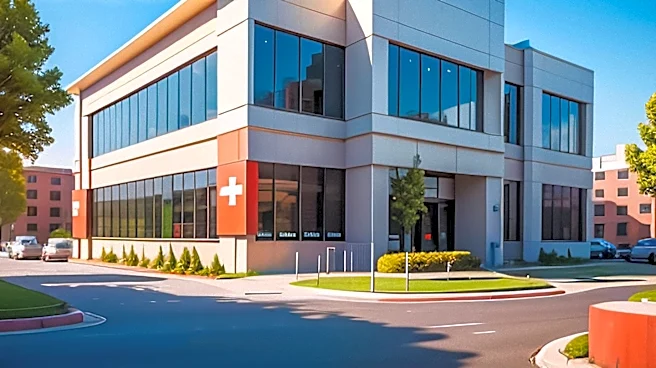
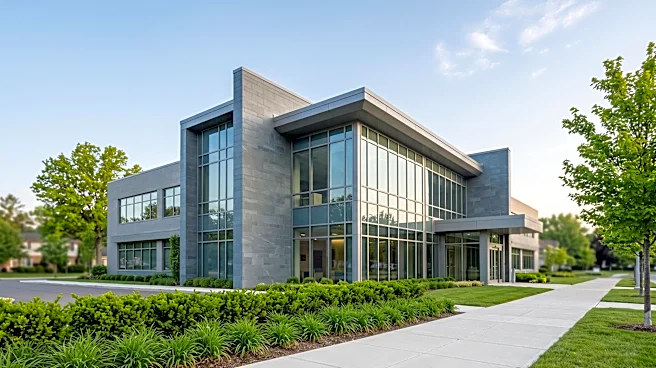
MultiCare Indigo Urgent Care has opened a new facility in Renton Highlands, located at 4401 NE Sunset Boulevard. This new urgent care center aims to provide accessible healthcare services for minor illnesses and injuries to individuals of all ages. The
facility offers walk-in appointments, online scheduling, on-site laboratory services, X-ray capabilities, and virtual care options. It is part of a larger network of over 50 Indigo Urgent Care locations across the Pacific Northwest. The Renton Highlands location is open daily from 8 AM to 8 PM, including weekends and holidays, and is situated near a McDonald's and MultiCare Occupational Medicine, enhancing its convenience for local residents, workers, and students. The center treats a range of common conditions such as allergies, cold and flu symptoms, ear infections, fevers, pink eye, sinus infections, sore throats, and urinary tract infections, as well as minor injuries like cuts, minor burns, fractures, sprains, strains, and sports-related injuries. Most major insurance plans are accepted, though patients are advised to confirm coverage with their providers.
Why It's Important?
The opening of this new Indigo Urgent Care facility in Renton Highlands is significant for the local community as it expands access to immediate medical care for non-life-threatening conditions. This increased accessibility can help alleviate the burden on emergency rooms, allowing them to focus on more critical cases, and provides a more convenient and often more affordable alternative for minor health issues. For residents, the availability of walk-in, online scheduling, and virtual care options means greater flexibility in managing their health needs, reducing wait times and travel. The inclusion of on-site labs and X-ray services streamlines the diagnostic process, potentially leading to quicker treatment and recovery. This expansion also reflects a broader trend in the U.S. healthcare system towards decentralized, community-based care models that prioritize convenience and efficiency for patients, which can improve overall public health outcomes by making healthcare more readily available.
What's Next?
Following the opening, MultiCare Indigo Urgent Care will continue to serve the Renton Highlands community, providing ongoing care for minor illnesses and injuries. The facility is expected to integrate further into the local healthcare landscape, potentially expanding its services based on community needs and patient feedback. As part of a larger network, the Renton Highlands location will likely benefit from shared resources and best practices, ensuring consistent quality of care. The availability of virtual care options suggests a continued emphasis on telehealth, which may see increased utilization as patients become more accustomed to remote consultations. The center will also likely continue to engage with local insurance providers to ensure broad accessibility for patients. Future developments could include partnerships with local businesses or schools to offer specialized health programs or screenings, further embedding the urgent care center within the community's health infrastructure.
Beyond the Headlines
The proliferation of urgent care centers like the new Indigo facility in Renton Highlands highlights a significant shift in the U.S. healthcare delivery model. This trend moves away from traditional primary care physicians as the sole entry point for non-emergency medical needs, offering a more immediate and flexible option. While beneficial for convenience, it also raises questions about continuity of care and the potential fragmentation of patient health records if not properly integrated with broader healthcare systems. The emphasis on '5-star health care' and patient-centered services reflects a growing consumer expectation for healthcare experiences that mirror other service industries. Furthermore, the acceptance of most major insurance plans underscores the ongoing challenge of balancing accessibility with the complexities of the U.S. insurance market. This model also implicitly addresses the shortage of primary care physicians in some areas, providing an alternative for routine and acute minor care, but it also necessitates robust communication channels between urgent care centers and primary care providers to ensure comprehensive patient management.