






What's Happening?
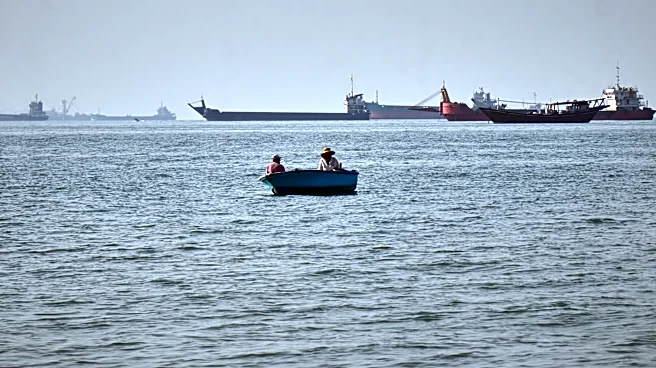
Somali pirates are capitalizing on the ongoing conflict in Iran, which has forced commercial ships to reroute around Africa, increasing their vulnerability to piracy. The United Kingdom Maritime Trade Operations (UKMTO) has confirmed that Somali pirates have
hijacked several vessels, including oil tankers and a cargo ship, between April 21 and May 2. The piracy threat level remains severe along the Somali coast, a region historically known for maritime hijackings. The European Union's naval force, Operation Atalanta, has been active in the area, recently liberating an Iranian-flagged vessel from pirates. Somali lawmaker Mohamed Dini attributes the resurgence to opportunism and alliances with Houthi forces, exacerbated by Somalia's internal instability.
Why It's Important?
The resurgence of piracy in Somali waters poses significant risks to global maritime trade, particularly as ships are forced to take longer routes due to geopolitical tensions in the Middle East. This situation increases operational costs for shipping companies and threatens the safety of maritime crews. The economic impact is substantial, with additional expenses for fuel, insurance, and security measures. The piracy threat also highlights the ongoing challenges of governance and security in Somalia, which can have broader implications for regional stability and international shipping routes.
What's Next?
The international community, including naval forces and shipping companies, is likely to increase vigilance and security measures in the region. There may be calls for enhanced international cooperation to address the root causes of piracy, such as poverty and lack of governance in Somalia. The situation could also prompt discussions on alternative shipping routes and strategies to mitigate the impact of geopolitical conflicts on global trade.