





What's Happening?
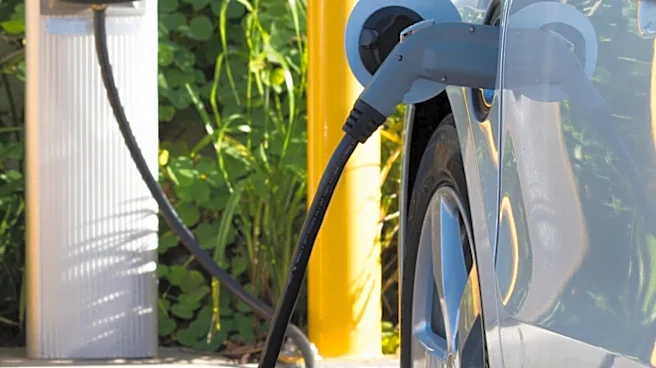
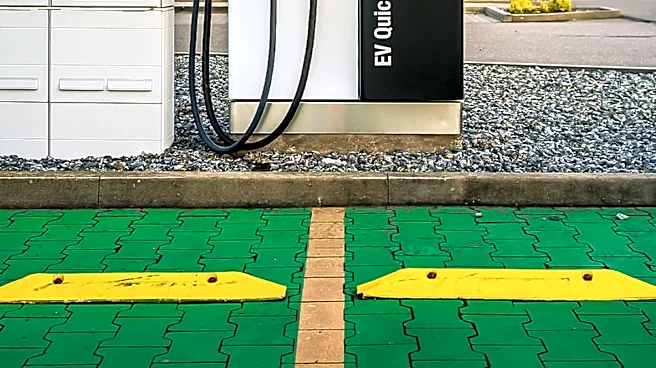
The Shapiro Administration, through the Pennsylvania Department of Transportation (PennDOT), has announced a $32 million federal investment to construct electric vehicle (EV) charging stations in eastern Pennsylvania. This funding is part of the Community
Charging phase of the federal National Electric Vehicle Infrastructure (NEVI) program. This announcement follows similar investments in the Central, Southeast, and Western regions of the state, solidifying Pennsylvania's leadership in the NEVI program. The state recently opened its 50th NEVI-funded EV charging station at a Sheetz location in Harrisburg, nearly doubling the number of stations opened by any other state. Additionally, 38 more stations are currently in various stages of planning and construction. Since the first NEVI station opened in Pennsylvania in December 2023, these stations have supported over 146,000 charging sessions, contributing to an estimated 17.3 million miles driven and a reduction of over 3,700 metric tons of CO2 emissions. Applications for the new Community Charging funding will be accepted until March 12, 2027.
Why It's Important?
This significant federal investment in EV charging infrastructure is crucial for accelerating the adoption of electric vehicles across Pennsylvania and the broader U.S. The expansion of accessible charging stations addresses a primary concern for potential EV buyers: range anxiety and the availability of charging options. By strategically placing chargers in communities, the program aims to integrate EV charging into daily routines, making it more convenient for residents to shop, work, and recreate while charging their vehicles. This initiative not only supports environmental goals by reducing CO2 emissions but also stimulates economic growth through job creation in construction and maintenance of these facilities. Furthermore, Pennsylvania's leading role in deploying NEVI-funded stations sets a precedent for other states, demonstrating effective implementation of federal programs designed to modernize national infrastructure and transition towards a cleaner energy future. The focus on community charging complements existing corridor charging, creating a comprehensive network that benefits both long-distance travelers and local residents.
What's Next?
Applications for the $32 million in federal funding for EV chargers in eastern Pennsylvania will be accepted until March 12, 2027. Following this, the Shapiro Administration will continue to allocate funds and oversee the construction of new charging stations across the designated counties, which include Adams, Berks, Carbon, Cumberland, Dauphin, Franklin, Lackawanna, Lancaster, Lebanon, Lehigh, Luzerne, Monroe, Northampton, Perry, Pike, Schuylkill, Wayne, and York. PennDOT will also continue its efforts to provide clear, fact-based information on EVs through its 'EVs In Focus' video series, addressing topics such as battery fires, grid demands, environmental impacts, winter weather, and charging costs. The ongoing expansion of the NEVI program is expected to further increase the number of operational EV charging stations, supporting more charging sessions and contributing to greater reductions in CO2 emissions. The success of these initiatives will likely influence future federal and state policies regarding EV infrastructure development.
Beyond the Headlines
The aggressive rollout of EV charging infrastructure in Pennsylvania, particularly its leading position in the NEVI program, highlights a broader national shift towards sustainable transportation and energy independence. This initiative is not merely about installing charging points; it represents a fundamental change in how communities are designed and how daily life is conducted. The emphasis on community charging, where people can charge their vehicles while engaging in other activities, reflects an understanding of consumer behavior and aims to seamlessly integrate EV use into existing lifestyles. This could lead to a re-evaluation of urban planning, with more consideration given to charging accessibility in commercial and residential developments. Moreover, the reduction in CO2 emissions contributes to public health improvements by decreasing air pollution. The program also fosters innovation in the energy sector, encouraging the development of more efficient charging technologies and grid management solutions to handle increased demand. The long-term implications include a reduced reliance on fossil fuels, enhanced energy security, and a more resilient transportation system.