



What's Happening?
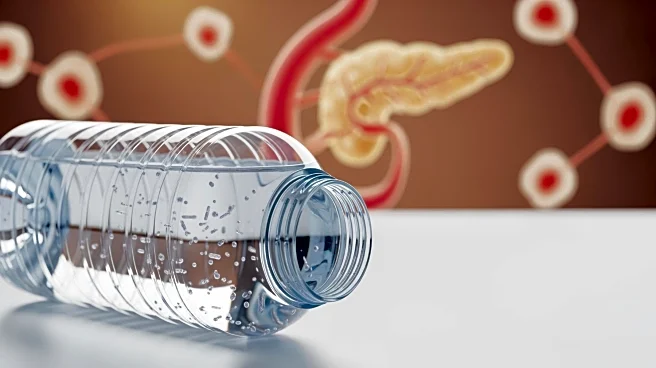
A recent study published in the BMC Genomics journal has highlighted the potential health risks associated with microplastics, specifically polyethylene terephthalate (PET), commonly found in plastic bottles. Researchers from Poland and Spain conducted
experiments on pigs, chosen for their physiological similarities to humans, to assess the impact of PET particles on pancreatic cells. The study revealed that exposure to varying concentrations of PET particles led to changes in protein abundance within the pancreas, with higher doses causing more significant effects. These changes included increased fat accumulation and inflammation, suggesting potential metabolic disruptions. The findings indicate that microplastic exposure could directly damage the pancreas in humans, raising concerns about the widespread use of PET plastics.
Why It's Important?
The study underscores the growing concern over microplastics as an environmental hazard, with implications for human health. PET plastics, prevalent in everyday items like water bottles, are linked to various health issues, including hormone disruptions, fertility problems, and cancer. The potential for pancreatic damage adds to the urgency for addressing microplastic pollution. As these plastics break down, they release toxins that can enter food chains and water sources, posing a significant risk to public health. The findings may prompt policymakers to consider stricter regulations on plastic usage and encourage consumers to seek alternatives, such as reusable bottles, to mitigate exposure.
What's Next?
In response to the study's findings, there may be increased advocacy for policy changes to limit plastic usage and further research into the health risks of microplastics. Experts and scientists are likely to push for alternatives to plastic packaging and the implementation of plastic water bottle bans. Consumers can take proactive steps by opting for reusable bottles and avoiding plastic containers, especially when heating food or drinks. The study adds momentum to the broader movement against plastic pollution, potentially influencing legislative actions and public awareness campaigns.