








What's Happening?
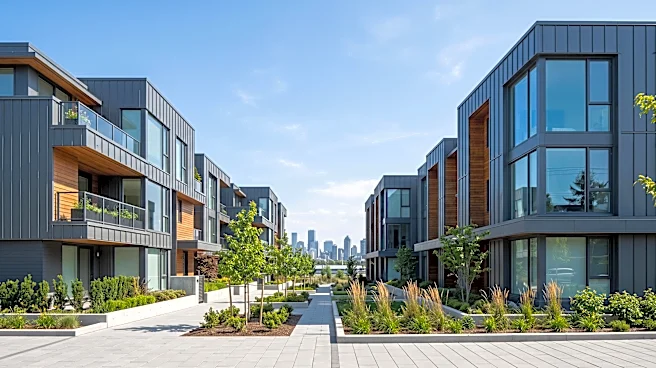
Raleigh has experienced a significant increase in 'missing middle' housing and a reduction in rent prices following recent changes to its land-use rules, according to a new report by the Pew Charitable Trusts. The city's zoning reforms, building regulations,
and the elimination of parking requirements since 2021 have spurred the construction of townhomes, apartments, and other denser housing types. Annual housing production in Raleigh increased by 74% after these reforms, with an average of 5,731 units permitted annually from 2021 to 2024, compared to 3,301 units from 2017 to 2020. These reforms included removing density restrictions in non-single-family districts and allowing more duplexes, triplexes, quadplexes, tiny homes, and accessory dwelling units. The report also notes that rent prices in Raleigh fell by 15% from 2022 to 2025, adjusted for inflation, with the steepest decline observed in older apartments catering to lower-income tenants.
Why It's Important?
The success of Raleigh's land-use reforms offers a significant case study for other U.S. cities grappling with housing affordability and supply issues. By streamlining zoning and building rules and eliminating parking minimums, Raleigh has demonstrated a viable path to increasing housing options and making urban living more accessible. The reduction in rent prices, particularly for lower-income tenants, highlights the direct positive impact on residents' financial well-being. This approach challenges traditional development models that often prioritize single-family homes and extensive parking, which can drive up housing costs. The report suggests that a multi-faceted approach to regulatory reform can effectively address housing shortages and affordability, potentially influencing policy discussions and urban planning strategies nationwide.
What's Next?
The findings from the Pew Charitable Trusts report are likely to encourage other U.S. cities to consider similar land-use reforms to address their own housing crises. Policymakers and urban planners may study Raleigh's model to understand how to implement changes that promote 'missing middle' housing and reduce development costs. The continued monitoring of Raleigh's housing market will be crucial to assess the long-term sustainability of these trends and identify any unforeseen consequences. Advocacy groups focused on housing affordability will likely leverage this report to push for similar legislative changes in their respective communities, potentially leading to a broader shift in urban development policies across the country.
Beyond the Headlines
The shift in Raleigh's housing landscape represents a broader cultural and economic re-evaluation of urban living. The move away from single-family homes and extensive parking minimums reflects a growing recognition of the environmental and social costs associated with car-dependent, sprawling urban development. By fostering denser, more diverse housing options, Raleigh is not only addressing affordability but also promoting more walkable, community-oriented neighborhoods. This approach could lead to reduced carbon footprints, increased public transit ridership, and a more equitable distribution of urban resources. The ethical implications of housing policy, particularly regarding access for lower-income residents, are central to this development, as Raleigh's reforms aim to create a city where a wider range of residents can afford to live and thrive.