








What's Happening?
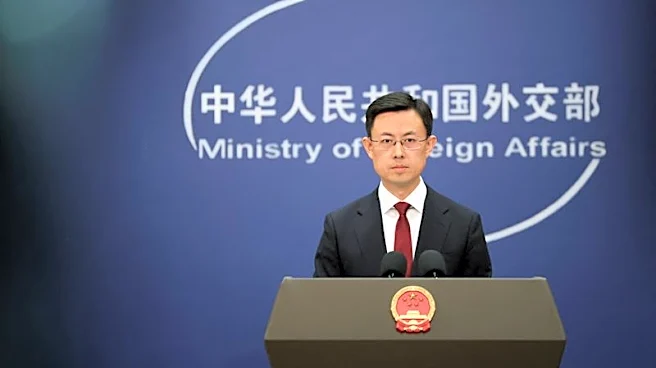
China and Cambodia have initiated their first '2+2' Strategic Dialogue Mechanism, involving both countries' foreign and defense ministers. Chinese Foreign Minister Wang Yi and Defense Minister Dong Jun met with Cambodian counterparts, Foreign Minister Prak
Sokhonn and Defense Minister Tea Seiha, to enhance political and security relations. This initiative, proposed by Chinese President Xi Jinping, aims to strengthen the comprehensive strategic partnership between the two nations. China, a major investor and aid donor to Cambodia, seeks to expand its influence in Southeast Asia. The dialogue follows a similar format initiated with Indonesia last year. During their visit, the Chinese ministers will also meet with Cambodian Senate President Hun Sen and Prime Minister Hun Manet. Discussions will focus on existing cooperation frameworks and regional peace and security. The U.S. has expressed concerns over China's influence, particularly regarding the Chinese-funded upgrade of Cambodia's Ream Naval Base, which some suspect may serve as a strategic military outpost for China.
Why It's Important?
The '2+2' dialogue between China and Cambodia signifies a deepening of ties that could shift regional power dynamics in Southeast Asia. China's growing influence in the region is a strategic move to counterbalance U.S. presence and expand its geopolitical reach. For Cambodia, the partnership with China brings significant economic benefits, as China is its largest investor and trade partner. However, this relationship raises concerns among Western nations, particularly the U.S., about potential military implications, such as the use of the Ream Naval Base by China. The dialogue could lead to increased Chinese military presence in the region, affecting regional security and U.S. strategic interests. The outcome of these talks may influence future diplomatic and military engagements in Southeast Asia.
What's Next?
Following the '2+2' dialogue, Chinese Foreign Minister Wang Yi is scheduled to visit Thailand and Myanmar, indicating China's broader strategy to strengthen ties with Southeast Asian nations. The ongoing discussions may lead to further agreements on security and economic cooperation. The U.S. and other Western nations are likely to monitor these developments closely, potentially adjusting their diplomatic and military strategies in response. Cambodia's government may continue to deny any military intentions behind the naval base upgrades, but international scrutiny is expected to persist. The evolving China-Cambodia relationship could prompt other Southeast Asian countries to reassess their diplomatic alignments and partnerships.