






What's Happening?
1st Nor Cal Credit Union has issued a warning to its members regarding a scam involving automated calls and voicemails. These fraudulent messages falsely claim to be from the credit union, stating that an unusual wire transfer attempt has been detected
by their security system and urging members to respond or verify the transaction. The credit union explicitly states that these calls are not legitimate and are part of a scam designed to create a sense of urgency. Scammers aim to panic recipients into calling back, pressing a number, or divulging personal information such as account numbers, online banking logins, passwords, PINs, card numbers, or one-time verification codes. Once this information is obtained, scammers can gain unauthorized access to accounts. Members are advised not to return calls to the numbers provided in voicemails, avoid pressing any buttons if they answer, and to contact the credit union directly using official contact information if they have concerns.
Why It's Important?
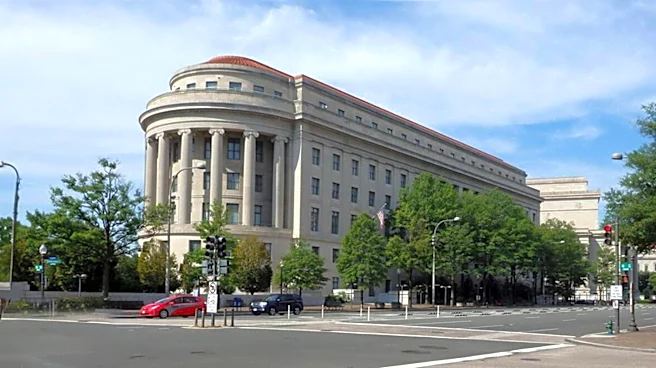
This scam directly targets the financial security of credit union members, potentially leading to significant financial losses and identity theft. The use of automated calls and urgent language exploits human psychology, pressuring individuals to act impulsively without proper verification. Such incidents erode trust between financial institutions and their customers, which is critical for the stability of the banking sector. For 1st Nor Cal Credit Union, these scams can damage its reputation and necessitate increased resources for fraud prevention and customer support. On a broader scale, similar scams contribute to the overall landscape of cybercrime, impacting consumer confidence in digital transactions and requiring continuous efforts from financial institutions and law enforcement to educate the public and combat fraudulent activities. The Federal Trade Commission (FTC) is a key resource for reporting such scams, highlighting the national scope of this issue.
What's Next?
1st Nor Cal Credit Union advises members who have received these calls to report them to the credit union to help protect other members. They also recommend reporting scams to the Federal Trade Commission at ReportFraud.ftc.gov. For those who have already shared personal or account information, immediate contact with the credit union at (888) 387-8632 is crucial to secure accounts. The credit union will continue to monitor these scams and share information to enhance member protection. In the broader context, financial institutions are likely to reinforce their security protocols and public awareness campaigns to counter evolving scam tactics. Consumers should anticipate ongoing warnings and educational materials from their banks and credit unions, emphasizing the importance of verifying suspicious communications through official channels.
Beyond the Headlines
The prevalence of these 'security alert' scams underscores a persistent challenge in the digital age: distinguishing legitimate communications from sophisticated phishing attempts. The psychological manipulation employed by scammers, leveraging fear and urgency, highlights vulnerabilities in human decision-making under pressure. This situation also points to the broader issue of data privacy and the constant threat of unauthorized access to personal financial information. The reliance on automated systems by scammers reflects a scalable approach to fraud, making it a widespread problem that requires collective vigilance. Ultimately, these scams contribute to a societal need for enhanced digital literacy and critical thinking skills among consumers, as technology continues to evolve and present new avenues for malicious actors to exploit.