





What's Happening?
Representative Rashida Tlaib, a Democratic congresswoman from Michigan and the first Palestinian-American woman elected to Congress, has made the Palestinian cause a central aspect of her political identity. She has frequently utilized the conflict with
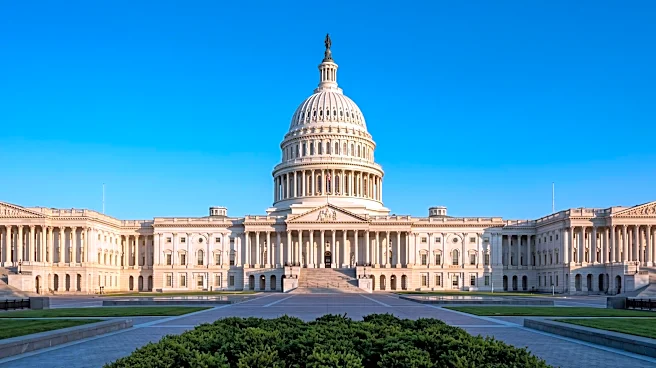
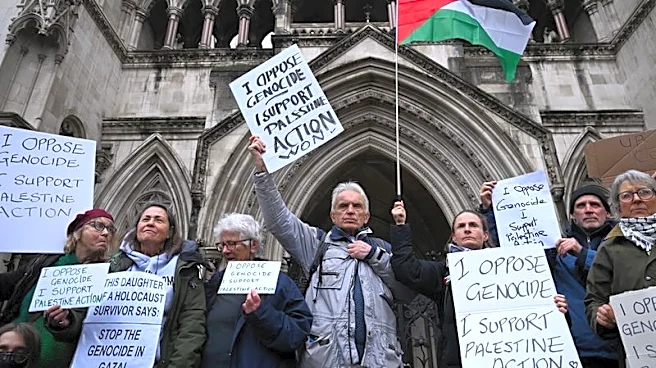
Israel to mobilize her supporters domestically. In November 2023, the House of Representatives officially censured her due to statements she made regarding Israel and the October 7th massacre. This action highlights a growing trend where the Palestinian cause is not merely a foreign policy stance but has become a significant tool for domestic political identity and voter mobilization, particularly within the progressive left in the United States. The censure reflects the contentious nature of discussions surrounding the Israeli-Palestinian conflict within U.S. political discourse and its direct impact on elected officials.
Why It's Important?
The censure of Representative Tlaib underscores the increasing politicization of the Israeli-Palestinian conflict within U.S. domestic politics. This development is significant because it demonstrates how international issues can become deeply intertwined with national political identities and electoral strategies. For the progressive left, the Palestinian cause has emerged as a defining issue, serving as a means to mobilize voters and delineate ideological boundaries. This trend can lead to heightened polarization within political parties and among the electorate, as positions on this conflict become litmus tests for broader political alignment. The incident also sets a precedent for how Congress addresses statements made by its members on sensitive international conflicts, potentially influencing future discourse and actions by lawmakers who wish to express strong opinions on such matters. The focus on this issue can divert attention from other domestic policy concerns, reshaping political agendas and public debate.
What's Next?
The censure of Representative Tlaib is likely to continue fueling debate within the Democratic Party regarding its stance on the Israeli-Palestinian conflict and the role of progressive voices. This event could further solidify the Palestinian cause as a key issue for a segment of the electorate, potentially influencing future primary elections and campaign strategies, especially in districts with diverse populations or strong progressive bases. Other lawmakers may face increased pressure to articulate their positions on the conflict, potentially leading to more public statements, resolutions, or legislative efforts related to the issue. The incident may also prompt discussions about the boundaries of free speech for elected officials versus the need for diplomatic sensitivity, particularly concerning international relations. Activist groups on both sides of the issue are expected to leverage this event to further their respective agendas, intensifying public discourse and potentially impacting voter turnout in upcoming elections.
Beyond the Headlines
Beyond the immediate political ramifications, the censure of Representative Tlaib highlights deeper shifts in American political identity and the evolving role of ethnic and cultural heritage in shaping political discourse. As the first Palestinian-American woman in Congress, Tlaib's actions bring to the forefront questions about representation, identity politics, and the extent to which personal background influences policy positions and public statements. The incident also touches upon the ethical considerations of how lawmakers balance their constituents' views, their personal convictions, and the broader implications of their statements on international relations. This situation could contribute to a re-evaluation of how political parties manage internal dissent on foreign policy issues and how they engage with diverse communities whose identities are deeply tied to global events. The long-term impact may include a more nuanced, albeit potentially more contentious, approach to foreign policy discussions within the U.S. political landscape.