

What's Happening?
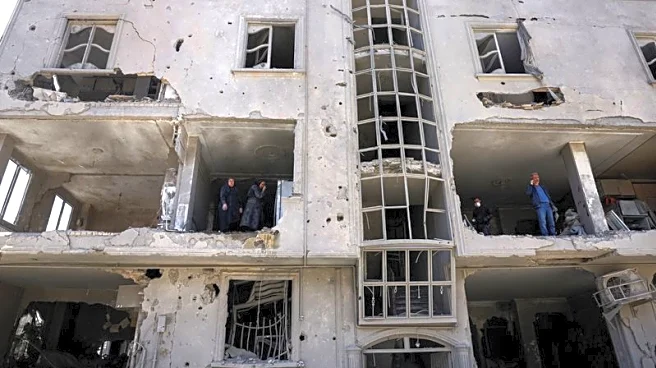
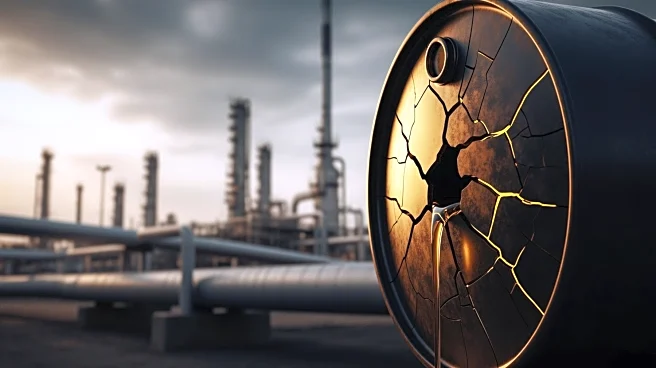
The Group of Seven (G7) countries are preparing to take coordinated action to stabilize global oil markets in response to the ongoing conflict in Iran, which has disrupted supply and driven prices higher. The G7 has signaled its readiness to use strategic
oil reserves and implement coordinated policy measures to mitigate the impact of supply disruptions. The International Energy Agency has outlined plans for a potential large-scale release of reserves, while individual countries are taking steps to manage rising fuel costs through subsidies and price controls. The situation highlights the growing concern over energy volatility and its potential economic impact.
Why It's Important?
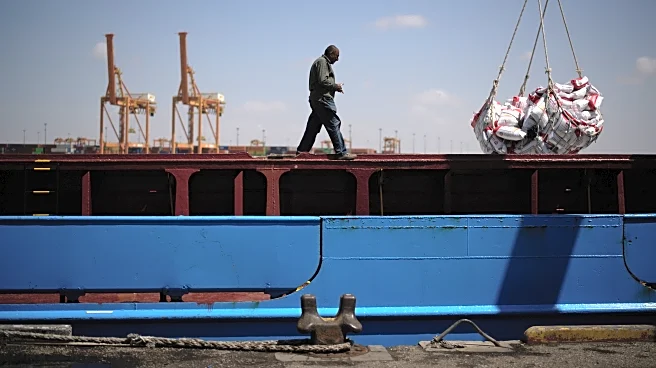
The G7's coordinated response underscores the significance of international collaboration in addressing global energy challenges. The disruption in oil supply due to the Iran conflict poses risks to economic stability, with potential inflationary effects and increased costs for consumers and industries. By signaling a willingness to intervene, the G7 aims to prevent further market instability and protect economic growth. The situation also emphasizes the importance of maintaining open trade flows and avoiding export restrictions, which could exacerbate shortages and drive prices higher.
What's Next?
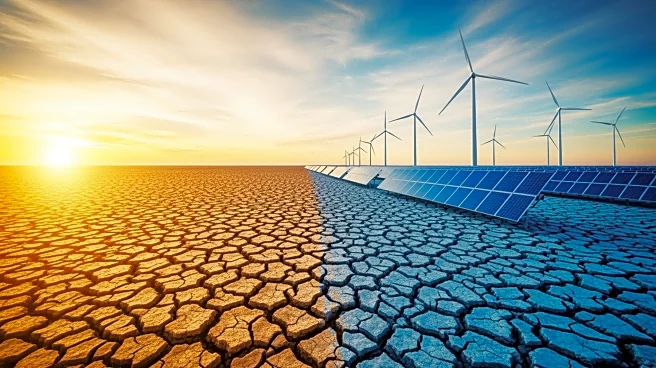
The G7's actions will be closely monitored by markets and policymakers, as the effectiveness of coordinated interventions in stabilizing oil prices remains uncertain. Continued diplomatic efforts to resolve the Iran conflict and ensure the security of key shipping routes will be critical in preventing further disruptions. The situation may also prompt discussions on energy security and the need for diversified energy sources to reduce reliance on volatile regions. As the conflict evolves, the G7's approach to managing energy markets will likely influence future policy decisions and international cooperation on energy issues.