
What's Happening?
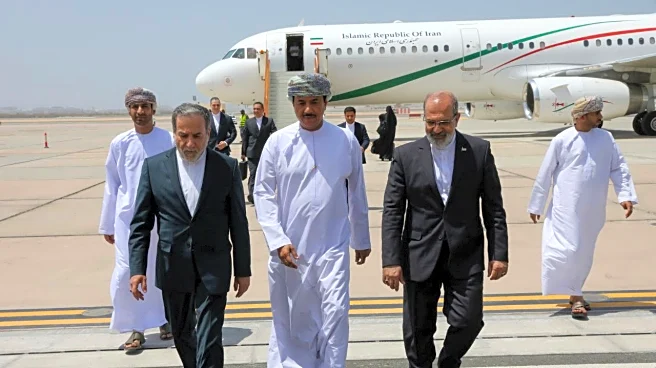
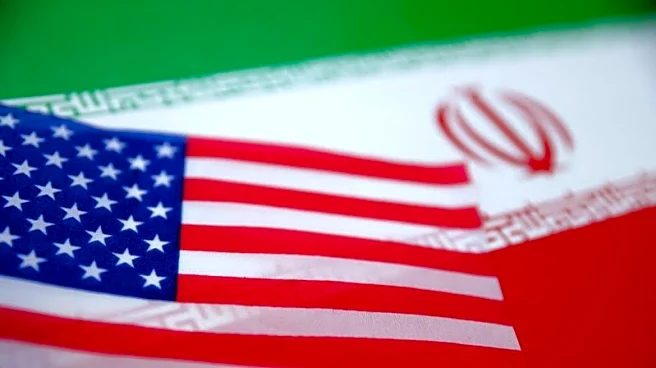
Iranian Foreign Minister Abbas Araghchi has publicly contradicted President Trump's assertion that Iran is prepared to negotiate to avoid U.S. military strikes. Araghchi stated that Iran has not requested
negotiations and criticized the U.S. for pairing diplomatic overtures with military threats. This statement follows President Trump's deployment of warships to the region, which he referred to as an 'armada,' in response to Iran's crackdown on protests. Araghchi emphasized that diplomacy should not be pursued under the threat of military action and called for negotiations to be based on mutual respect and interests. The situation remains tense as both nations navigate these diplomatic challenges.
Why It's Important?
This development is significant as it highlights the ongoing tensions between the U.S. and Iran, which have implications for regional stability and international relations. The contradiction between Iran's and the U.S.'s statements underscores the complexities of diplomatic engagement in the Middle East. The U.S.'s military presence in the region and Iran's response could affect global oil markets, international security, and diplomatic relations with other countries involved in mediating the conflict. The situation also reflects broader geopolitical dynamics, including the influence of other regional powers and the role of international diplomacy in conflict resolution.
What's Next?
The next steps in this diplomatic standoff are uncertain, but potential outcomes include continued military posturing, increased diplomatic efforts by third-party countries, or a shift in U.S. or Iranian strategies. The international community may play a role in facilitating dialogue or imposing sanctions to influence the behavior of the involved parties. Observers will be watching for any changes in rhetoric or actions from both the U.S. and Iran, as well as reactions from other global powers with interests in the region.