



What's Happening?
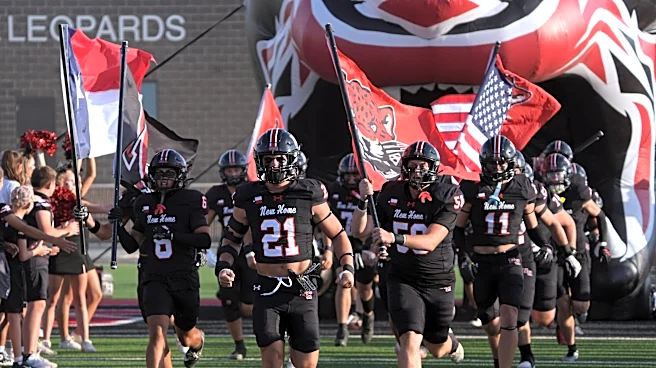
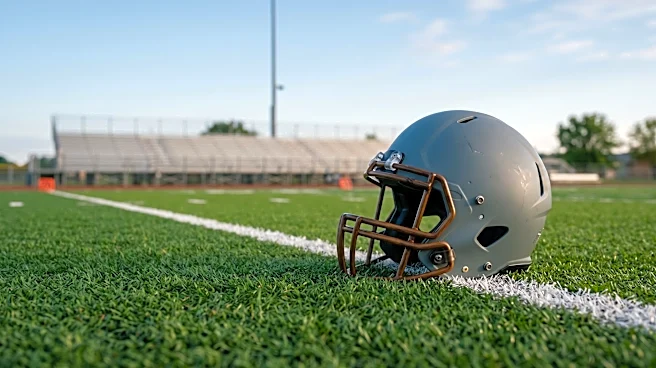
Orthopaedics & Rehabilitation team members from The University of New Mexico Sandoval Regional Medical Center (SRMC) are volunteering their time to provide medical support at high school football games in Rio Rancho, New Mexico, and surrounding areas.
SRMC orthopaedic surgeon Christopher Shultz, MD, is a key figure in this initiative, spending his Friday nights on the sidelines to identify and address player injuries. The team collaborates with athletic trainers and emergency medical services personnel to offer comprehensive medical assistance, including concussion monitoring, diagnosis, assessment, and recommendations for return to play. This service extends beyond immediate care, as the SRMC team also helps student-athletes and their families navigate the healthcare system for follow-up appointments and rehabilitation. An example cited is a player who sustained an injury during a game at V. Sue Cleveland High School, whose mother expressed relief and gratitude for Dr. Shultz's prompt and thorough care, which included an 8 p.m. MRI appointment and a follow-up call with good news about the player's condition.
Why It's Important?
This initiative by UNM SRMC is important for several reasons, primarily enhancing the safety and well-being of student-athletes in New Mexico. By having specialized medical professionals like orthopaedic surgeons on the sidelines, the immediate assessment and management of injuries, particularly concussions, can be significantly improved. This proactive approach can lead to better long-term health outcomes for young athletes, reducing the risks associated with untreated or improperly managed sports injuries. Furthermore, the program helps families navigate the often-complex healthcare system, ensuring that injured athletes receive timely and appropriate follow-up care, such as MRIs and rehabilitation. This support system can alleviate stress for parents and athletes, allowing them to focus on recovery. The involvement of medical students and residents also provides valuable real-world experience in sports medicine, contributing to the training of future healthcare professionals in the region.
What's Next?
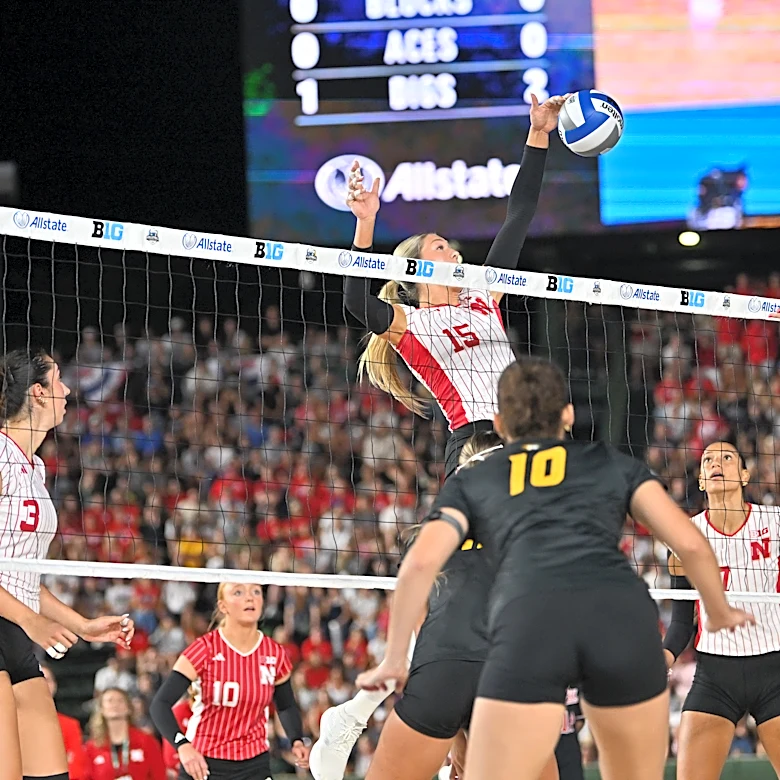
The UNM SRMC team plans to continue its sideline medical support for high school football games and other sports in the region. The program aims to expand its reach and impact, potentially covering more games and involving additional medical personnel. The ongoing presence of orthopaedic specialists like Dr. Shultz will likely lead to continued improvements in injury detection, treatment, and recovery protocols for student-athletes. The success stories, such as that of Brooke Clements, a volleyball player who received an ACL repair and rehabilitation through SRMC, may encourage more schools and athletic programs to seek similar partnerships. The initiative also serves as a model for community engagement for medical institutions, demonstrating how specialized care can be brought directly to those who need it in a preventative and responsive manner.
Beyond the Headlines
The UNM SRMC's program highlights a broader societal concern regarding the safety of youth sports and the critical role of accessible, specialized medical care. Beyond the immediate physical benefits, the presence of medical professionals on the sidelines can foster a culture of safety and responsibility within high school athletics. It underscores the ethical obligation of communities to protect young athletes, particularly as sports become more competitive and intense. The program also touches upon the long-term implications of sports injuries, such as the potential for chronic pain or disability, and how early intervention can mitigate these risks. Furthermore, the initiative demonstrates the power of community partnerships between healthcare providers and educational institutions, creating a holistic support system that extends beyond the playing field to include education, rehabilitation, and career guidance, as seen in Brooke Clements' decision to pursue physical therapy after her experience.