
What's Happening?
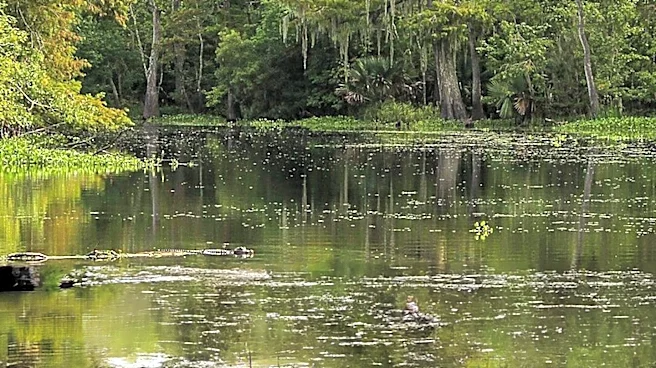
The Okefenokee National Wildlife Refuge in Georgia has been designated as a World Heritage Site by the United Nations Educational, Scientific and Cultural Organization (UNESCO). This decision was made
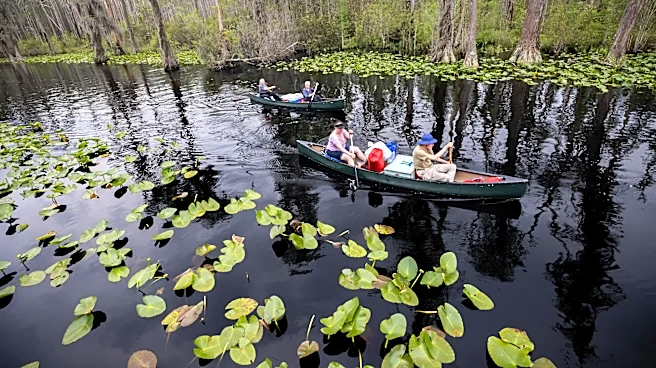
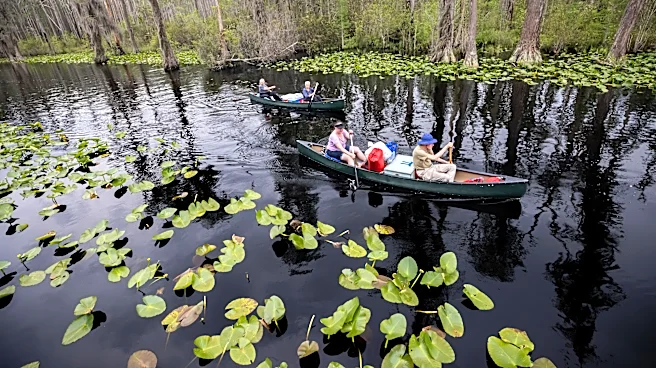
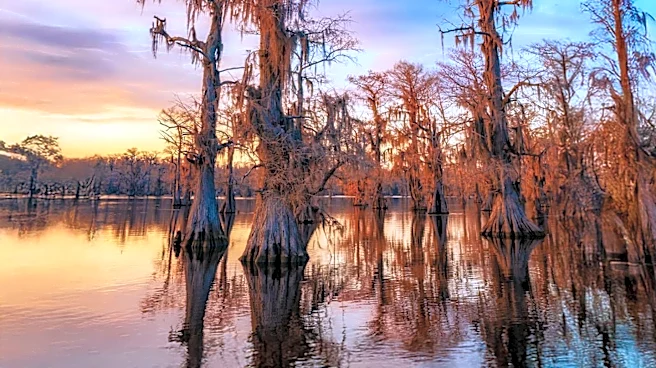
during the 48th World Heritage Committee session in Busan, South Korea. The Okefenokee Swamp is now the first site in Georgia and the first national wildlife refuge in the United States to receive this recognition. The designation highlights the swamp's ecological and cultural significance, including its vast subtropical freshwater peatland ecosystems and its historical importance to the Muscogee (Creek) Nation. The recognition is expected to enhance the swamp's visibility as a tourist destination, potentially doubling its annual visitation to 800,000 tourists and creating significant economic benefits for the surrounding rural communities.
Why It's Important?
The designation of the Okefenokee Swamp as a World Heritage Site is significant for several reasons. Economically, it is projected to generate approximately $60 million annually and create around 750 long-term jobs, providing a substantial boost to the local economy. Environmentally, the recognition helps protect the swamp from potential threats such as mining, which could harm its delicate ecosystem. Politically, the designation reflects successful advocacy efforts by local and national leaders, including U.S. Senator Jon Ossoff and former Georgia Governor Sonny Perdue, to preserve this natural treasure. The increased global attention may also lead to further conservation efforts and funding to protect the swamp's unique biodiversity and cultural heritage.
What's Next?
Following the UNESCO designation, efforts will likely focus on ensuring the protection of the Okefenokee Swamp from industrial threats, particularly mining. Advocacy groups and political leaders are expected to continue pushing for policies that safeguard the swamp's ecological integrity. Additionally, the increased tourism anticipated from the World Heritage status will require infrastructure improvements and sustainable tourism management to handle the influx of visitors while preserving the swamp's natural environment. Ongoing research and monitoring will be crucial to understanding the impacts of tourism and any potential environmental threats.
Beyond the Headlines
The recognition of the Okefenokee Swamp as a World Heritage Site also underscores the importance of preserving cultural heritage. The swamp holds historical significance for the Muscogee (Creek) Nation, whose ancestors lived in the area before being forcibly removed. This designation provides a platform to highlight and honor the cultural narratives associated with the swamp, promoting a broader understanding of its historical and cultural context. Furthermore, the designation may inspire similar conservation efforts for other culturally and ecologically significant sites across the United States.