







What's Happening?
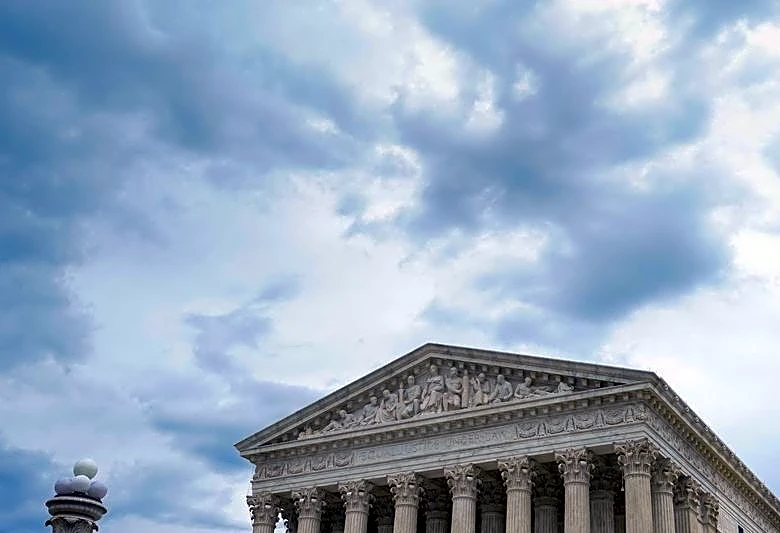
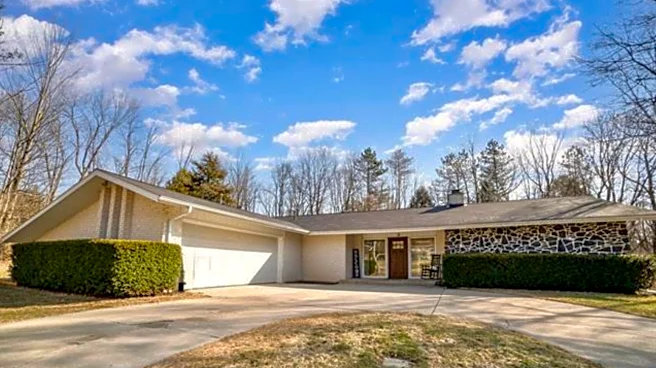
The United States Supreme Court has ruled against a Michigan family in a case concerning the sale of their foreclosed home. The Pung family argued that they should receive the fair market value of their home, which was sold at auction to cover unpaid
taxes. The home, valued at nearly $200,000, was sold for less than half its market value to cover a tax debt of just over $2,000. The Supreme Court unanimously decided that homeowners are not entitled to the hypothetical fair market value of homes sold at auction for unpaid taxes. Justice Samuel Alito, writing for the court, stated that auctions are intended to be a quick method for collecting unpaid taxes, and requiring local governments to obtain higher market values could render the process unworkable. The case has been sent back to lower courts to reassess the fairness of the auction process used by Isabella County.
Why It's Important?
This ruling has significant implications for property owners and local governments across the United States. By upholding the traditional method of tax foreclosure sales, the Supreme Court has reinforced the ability of local governments to quickly recoup unpaid taxes through auctions. This decision could affect many homeowners who face foreclosure due to unpaid taxes, as it limits their ability to claim the full market value of their properties. The ruling also underscores the court's stance on maintaining established procedures for tax collection, which could impact future legal challenges to foreclosure processes. For local governments, this decision supports their use of auctions as a viable tool for tax collection, potentially influencing how they manage tax delinquencies.
What's Next?
The Pung family's case will return to lower courts to examine the fairness of the auction process used by Isabella County. This could lead to further legal scrutiny of how tax foreclosure sales are conducted, potentially prompting changes in local government procedures to ensure fairness. The decision may also encourage other homeowners facing similar situations to challenge the fairness of their foreclosure processes, leading to more cases being brought before the courts. Additionally, local governments may need to review their auction procedures to ensure compliance with legal standards, potentially leading to policy adjustments to prevent future legal challenges.