





What's Happening?
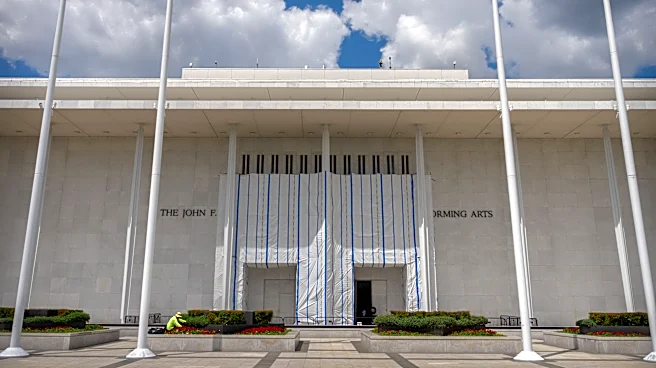
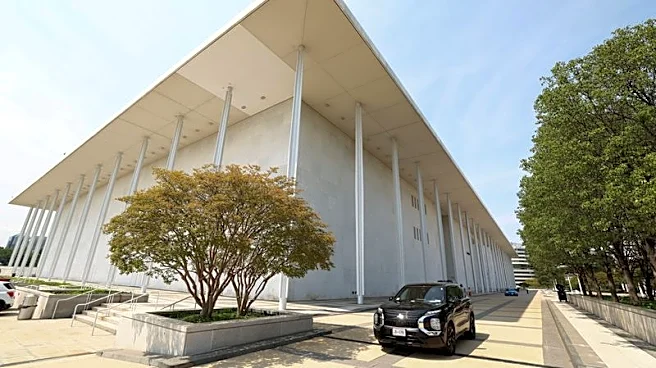
Richard Grenell, acting president of the John F. Kennedy Center Board of Trustees and a close ally of President Trump, is facing accusations of favoritism and misuse of resources. This controversy stems from a leadership overhaul at the Kennedy Center in early
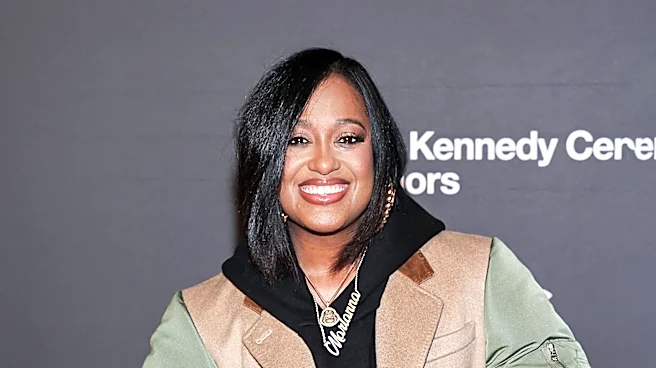
2025, following President Trump's return to office. President Trump replaced board members and installed allies, including Grenell, who was elevated to a leadership position. Grenell has been accused by Senate Democrats of providing 'lavish' deals and steep discounts to Trump allies. The overhaul led to significant tensions, with several high-profile artists and advisers, such as Issa Rae, Shonda Rhimes, Ben Folds, and Renée Fleming, cutting ties with the institution. Grenell publicly stated in March 2025 that his team aimed to shift the Kennedy Center's programming away from what he and Trump allies termed 'woke' content, focusing instead on attracting broader audiences and improving finances. The dispute escalated further in December 2025 when the board voted to rename the institution the 'Donald J. Trump and the John F. Kennedy Memorial Center for the Performing Arts,' a decision that sparked widespread backlash and led to further cancellations by artists and performers.
Why It's Important?
This situation highlights a significant politicization of a traditionally bipartisan national cultural institution, the John F. Kennedy Center for the Performing Arts. The accusations against Richard Grenell and the broader leadership changes under President Trump raise concerns about the integrity and independence of cultural organizations that receive federal funding. The departure of prominent artists and advisers, coupled with public criticism, suggests a potential alienation of the artistic community and a shift in the center's perceived mission. The controversy also reflects a broader cultural debate in the U.S. regarding 'woke' programming versus broader audience appeal, and the influence of political agendas on artistic expression and institutional governance. The legal challenges and public outcry over the renaming of the center underscore the deep divisions and the potential for long-term damage to the institution's reputation and its role as a 'living memorial' to President John F. Kennedy.
What's Next?
The legal battle surrounding the Kennedy Center's renaming and operational changes is ongoing. In May, U.S. District Judge Christopher Cooper ruled that President Trump's name had been illegally added to the Kennedy Center and blocked plans for major renovations. Despite this ruling, Kennedy Center trustees approved revised language in August that would recognize President Trump's role in renovating the facility without formally renaming it, proposing an inscription: 'The John F. Kennedy Memorial Center for the Performing Arts, Restored and Renovated by President Donald J. Trump.' They are also seeking to rename the physical grounds surrounding the complex as the 'President Donald J. Trump Plaza' and endorsed plans for a two-year closure for renovations. Democratic Representative Joyce Beatty of Ohio, an ex officio board member, has stated that this latest development is a transparent effort to circumvent the court's ruling and vowed to continue fighting for the monument. Further legal challenges and political opposition are expected as stakeholders continue to contest the changes and their implications for the center's future.
Beyond the Headlines
The controversy at the Kennedy Center extends beyond immediate political and legal disputes, touching upon fundamental questions about the role of national cultural institutions in a politically polarized society. The debate over 'woke' programming versus 'ticket-selling' entertainment reflects a deeper ideological struggle over artistic values and public funding priorities. The perceived politicization of the center could set a precedent for other national institutions, potentially leading to increased partisan interference in cultural and educational bodies. This situation also raises ethical concerns about the use of public resources and the potential for conflicts of interest when political allies are placed in leadership positions within non-profit organizations. The long-term implications could include a decline in artistic freedom, a loss of public trust in cultural institutions, and a redefinition of what constitutes a 'national memorial' in the U.S., potentially eroding the bipartisan support traditionally afforded to such entities.