




What's Happening?
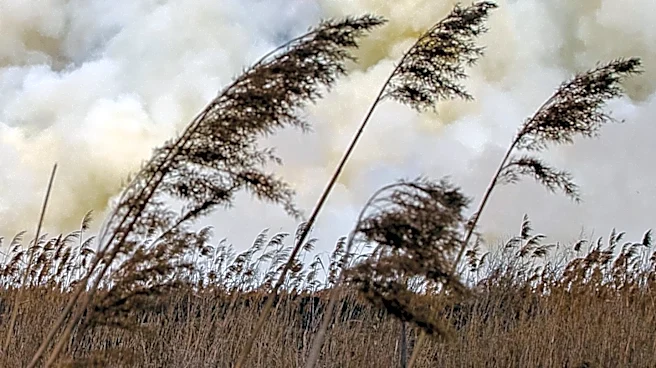
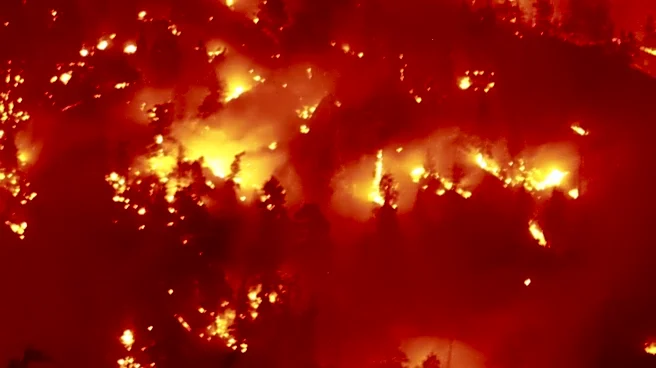
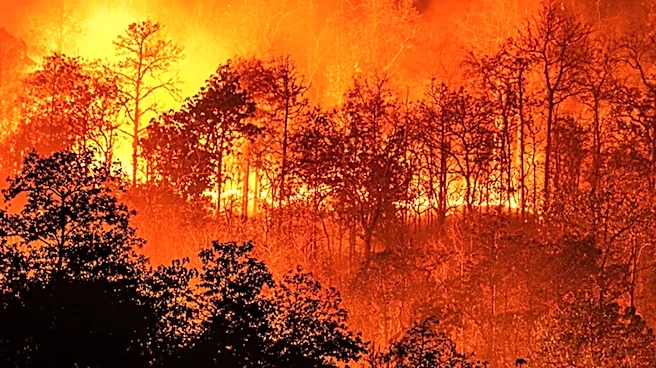
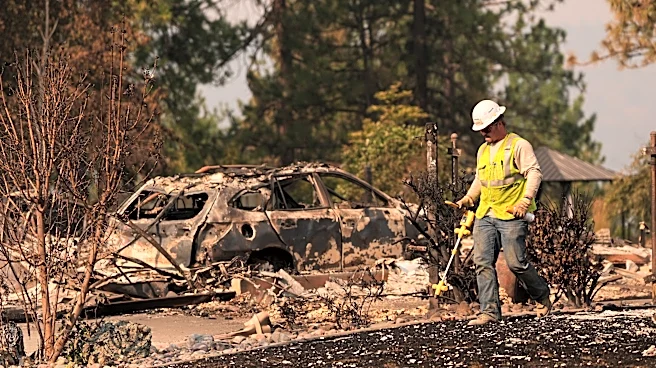
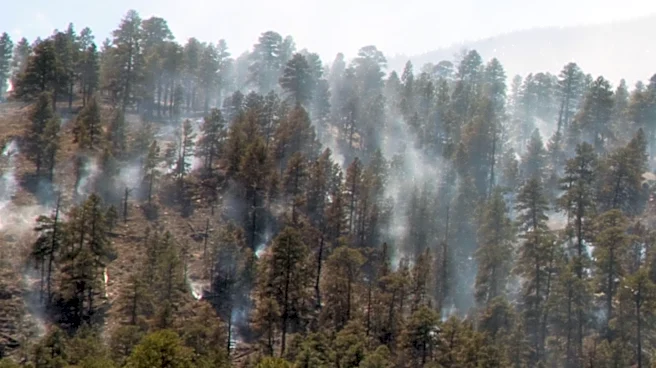
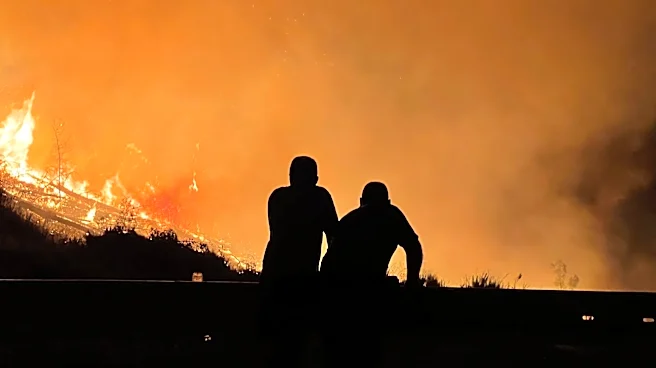
In eastern Washington, wildfires have ravaged the Spokane area, leading to the destruction of over 700 buildings and the evacuation of tens of thousands of residents. Authorities have arrested a 37-year-old man, Aaron Farinacci, suspected of starting
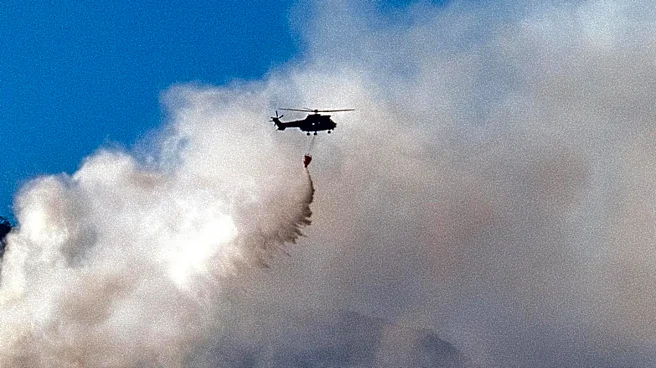
the Old Trails fire, which is considered the most destructive of the blazes. The arrest followed a tip from the community, although Farinacci has denied involvement. The fires have prompted a massive response, with 5,000 personnel from various states and even international assistance from Australia working to contain the blazes. The situation remains dangerous, with 16 major fires burning across Washington state, affecting approximately 250,000 acres.
Why It's Important?
The wildfires in Spokane highlight the increasing frequency and intensity of such events, exacerbated by climate conditions like prolonged droughts and high winds. The arrest of a suspect for arson underscores the potential human role in these disasters, raising concerns about community safety and the need for vigilant law enforcement. The fires have significant implications for public safety, property loss, and environmental damage. The federal disaster relief authorized for the area will provide crucial resources for immediate response and long-term recovery, emphasizing the importance of federal and state collaboration in disaster management.
What's Next?
As the fires continue to burn, efforts are focused on containment and preventing further spread, especially with forecasts of hotter weather and potential wind increases. The federal disaster relief will aid in immediate needs like search-and-rescue operations and maintaining essential services. Long-term, the community faces a challenging recovery process, with rebuilding efforts and addressing the underlying causes of such severe fire seasons. The situation also calls for a reevaluation of fire prevention strategies and community preparedness in the face of changing climate patterns.
Beyond the Headlines
The wildfires in Spokane are part of a broader trend of increasing wildfire activity in the Pacific Northwest, driven by climate change and human factors. This event highlights the need for comprehensive strategies that include fire management, community education, and infrastructure resilience. The role of arson in exacerbating natural disasters also points to the importance of community vigilance and law enforcement in preventing such acts. The fires serve as a stark reminder of the interconnectedness of environmental, social, and policy issues in addressing the challenges posed by climate change.