







What's Happening?
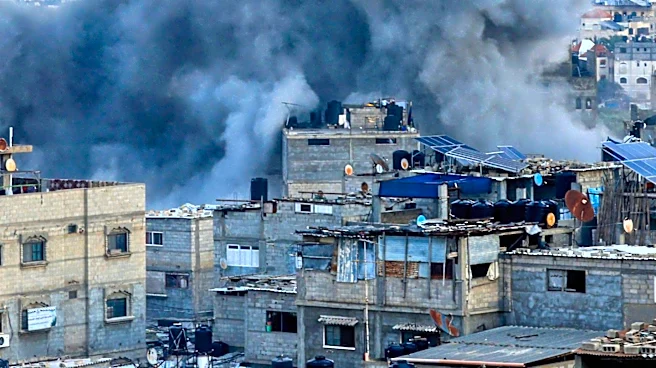
An Israeli airstrike in southern Lebanon has resulted in at least seven fatalities, marking the deadliest military aggression since a U.S.-articulated understanding was reached in June to de-escalate regional conflict. The attack, which targeted a residential
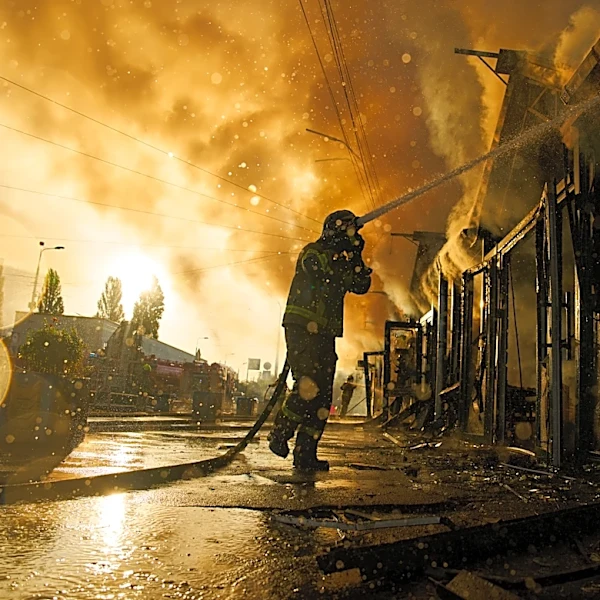
infrastructure in the southern Lebanese strip, has reignited alarms in the region and exposed the fragility of the ceasefire framework established after months of intense clashes. The Lebanese National News Agency (NNA) officially confirmed the incident, stating it was due to 'an attack launched by enemy warplanes against a dwelling.' Rescue teams are actively working to remove debris and aid those trapped or injured. The resurgence of conflict in Lebanese territory dates back to March, when the Islamist militia Hezbollah launched massive rocket attacks against Israeli positions in support of Iran. In retaliation, Israel deployed a severe campaign of aerial incursions, followed by a ground offensive, which has led to over 4,300 deaths, according to Lebanese state organizations. Despite a memorandum of understanding articulated by the United States and Iran in June to mitigate regional conflict, and a bilateral framework agreement sponsored by Washington between Lebanon and Israel later that month, systematic intermittent aerial attacks by the Israel Defense Forces continue to be reported by Lebanese authorities, causing civilian casualties.
Why It's Important?
This Israeli airstrike in southern Lebanon, occurring despite U.S.-brokered diplomatic efforts, directly impacts U.S. foreign policy objectives and regional stability in the Middle East. The United States has actively engaged in articulating a memorandum of understanding with Iran and sponsoring a bilateral agreement between Lebanon and Israel to mitigate conflict. The failure of these agreements to prevent such a deadly incident undermines U.S. diplomatic credibility and complicates its role as a peace broker. The ongoing violence risks drawing the U.S. into a more direct involvement in the conflict, potentially through increased military aid, diplomatic interventions, or even direct engagement to protect its interests and allies. The instability in the region can also have broader geopolitical consequences, affecting global oil markets, international alliances, and the fight against terrorism, all of which have significant implications for U.S. national security and economic stability. The incident highlights the persistent challenges in achieving lasting peace in the Middle East, despite concerted efforts by major international actors like the U.S., and underscores the complex interplay of regional powers and non-state actors.
What's Next?
The immediate aftermath of this airstrike will likely see heightened tensions and potential retaliatory actions from Hezbollah, further jeopardizing the fragile truce. The U.S. will face renewed pressure to re-engage diplomatically to de-escalate the situation and reinforce the agreements it helped broker. This could involve increased communication with both Israeli and Lebanese authorities, as well as with Iran, to prevent a wider regional conflagration. International bodies, including the United Nations, may also call for investigations into the incident and stronger enforcement of ceasefire agreements. For the U.S., this event could lead to a re-evaluation of its strategy in the Middle East, potentially shifting focus towards more robust enforcement mechanisms or alternative diplomatic approaches. Major stakeholders, including regional governments, international aid organizations, and global powers, will be closely monitoring the situation for signs of further escalation or a return to sustained conflict. The incident also raises questions about the effectiveness of current multilateral and bilateral agreements in preventing violence and protecting civilian lives in conflict zones.
Beyond the Headlines
The repeated breaches of U.S.-brokered agreements in the Middle East, exemplified by this airstrike, reveal deeper challenges in international diplomacy and conflict resolution. The incident underscores the limitations of external mediation when underlying grievances and strategic objectives of regional actors remain unresolved. Ethically, the continued civilian casualties despite diplomatic efforts raise critical questions about the responsibility of all parties, including the U.S. as a mediator, to protect non-combatants. Legally, the systematic nature of reported Israeli aerial attacks, even after agreements, could lead to accusations of violations of international law, potentially impacting the U.S.'s standing as an ally. Culturally, the persistent conflict fuels cycles of resentment and radicalization, making long-term peace increasingly elusive and perpetuating a narrative of perpetual struggle. This situation highlights a broader trend where geopolitical interests often overshadow humanitarian concerns, and where the pursuit of security by one state can inadvertently destabilize an entire region. The U.S. must grapple with the long-term implications of its involvement, or lack thereof, in shaping a sustainable peace, recognizing that short-term truces often fail to address the root causes of conflict.