








What's Happening?
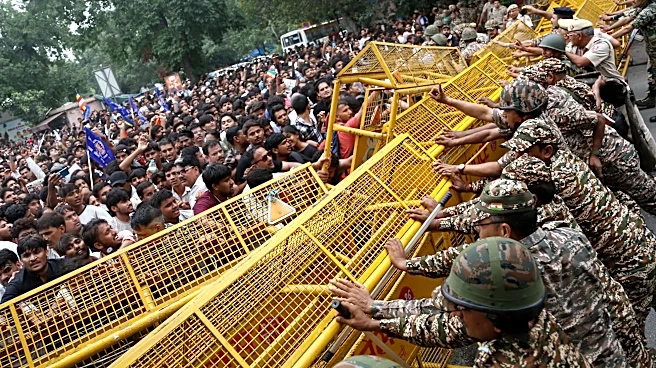
Activist Sonam Wangchuk was forcibly moved to a hospital by Delhi police on July 18 due to health concerns after a 20-day hunger strike. Wangchuk, 59, began his fast on June 28, demanding the resignation of Education Minister Dharmendra Pradhan over alleged
irregularities in medical examination processes. The protest, which took place at New Delhi's Jantar Mantar, attracted hundreds of students and was part of a broader movement against perceived corruption in the education system. The Delhi High Court had ordered daily health monitoring for Wangchuk, emphasizing the importance of preserving his life. Wangchuk is known for his work in water conservation in the Himalayas.
Why It's Important?
The hunger strike highlights significant discontent with India's education system, particularly concerning the integrity of examinations. The movement has garnered support from students and opposition parties, reflecting broader dissatisfaction with government accountability. The situation underscores the potential for civil unrest when public trust in essential services like education is compromised. The government's response to such protests could influence public perception and political stability, especially if perceived as suppressive.
What's Next?
The government's handling of Wangchuk's demands and the broader protest movement will be closely watched. Potential outcomes include policy reviews or reforms in the examination process to restore public confidence. The situation may also prompt further protests or political action if the demands are not addressed satisfactorily. The involvement of opposition parties suggests that the issue could become a significant political topic, influencing future elections and policy decisions.