






What's Happening?
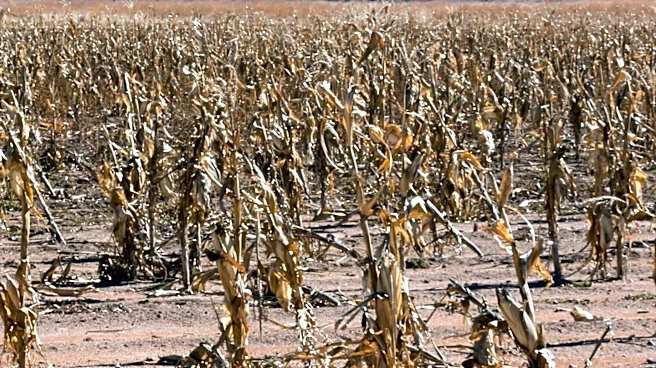
The Middle East is increasingly exposed to climate change, with rising temperatures and water shortages exacerbating the region's reliance on imported food and agricultural technology. This dependency has led to what some scholars describe as 'climate
and agricultural colonization,' where external powers exert influence through control of essential technologies. The region's limited freshwater resources and heavy reliance on global food markets make it vulnerable to economic and political shocks, as seen during the COVID-19 pandemic and the Russian-Ukrainian war.
Why It's Important?
The growing influence of foreign powers in the Middle East through climate and agricultural technologies poses significant challenges to regional sovereignty and food security. Countries in the region must navigate the complexities of climate finance, which can deepen reliance on external experts and limit local capacity. This dynamic has broader geopolitical implications, as control over water and food resources becomes a strategic asset. The situation highlights the need for regional cooperation and investment in local research to reduce dependency and enhance resilience.
Beyond the Headlines
The concept of 'climate colonization' raises ethical and political questions about the balance of power in international relations. The reliance on foreign technology and expertise can undermine local governance and decision-making, leading to long-term dependencies. Addressing these challenges requires a shift towards sustainable development practices that prioritize local innovation and capacity building. The Middle East's experience serves as a cautionary tale for other regions facing similar vulnerabilities.