





What's Happening?
Senators Ron Wyden and Bernie Sanders have reintroduced a proposal for monthly stimulus payments of $2,000 for individuals and $3,000 for families in the U.S. This initiative comes as the U.S. economy shows signs of slowing GDP growth and rising inflation,
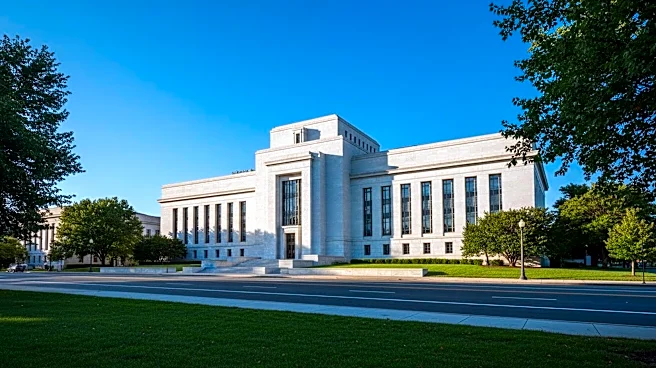
according to a Federal Reserve report. The proposed payments aim to address ongoing economic challenges faced by many Americans. Previous stimulus checks, issued under the CARES Act and subsequent legislation, ranged from $600 to $1,400 and were designed to stimulate economic activity and provide relief during the pandemic. While there is no concrete information on a fourth stimulus check, discussions around such payments, including a $2,000 per month idea floated by the White House in December 2022 and media reports in April 2023 about $1,200 to $1,500 checks, indicate continued consideration of direct financial aid.
Why It's Important?
The potential for new stimulus checks is significant for millions of U.S. households, particularly those struggling with the current economic climate of slowing growth and inflation. Such payments could provide crucial financial relief, helping families cover essential expenses and potentially boosting consumer spending, which is vital for economic recovery. For businesses, increased consumer spending could translate into higher revenues and stability. However, the introduction of additional stimulus could also exacerbate inflationary pressures, a concern highlighted by the Federal Reserve's report. The debate over stimulus checks reflects a broader policy challenge: balancing the need for immediate financial support for citizens with the long-term goal of maintaining economic stability and controlling inflation. The eligibility criteria, likely based on income levels, tax filing status, and dependents, would determine the reach and impact of any future payments, targeting those most in need.
What's Next?
The proposal by Senators Wyden and Sanders will likely undergo legislative debate and scrutiny in Congress. The economic indicators, including GDP growth and inflation rates, will continue to influence the urgency and feasibility of passing such a measure. Stakeholders, including economic experts, advocacy groups, and the public, will closely monitor discussions and any official announcements from the White House or the Internal Revenue Service (IRS). Individuals are advised to stay informed by checking the IRS website and official social media channels for updates on eligibility criteria and disbursement timelines. The outcome will depend on political consensus, the evolving economic situation, and the perceived necessity of further government intervention to support American households.
Beyond the Headlines
The ongoing discussion about stimulus checks highlights a fundamental shift in government's role during economic crises, moving beyond traditional monetary policy to direct fiscal intervention. This approach raises questions about the long-term implications for national debt and the potential for creating a precedent for future economic downturns. Furthermore, the targeting of these payments, often based on income and family size, underscores societal debates about wealth distribution and social safety nets. The effectiveness of previous stimulus rounds in truly alleviating financial burdens versus contributing to inflation will be a key factor in future policy decisions, shaping how the U.S. government responds to economic challenges and supports its citizens.