
What's Happening?
The Centers for Disease Control and Prevention (CDC) has implemented a new requirement for all US-bound flights carrying passengers from Ebola-affected regions in Africa to land at Dulles International
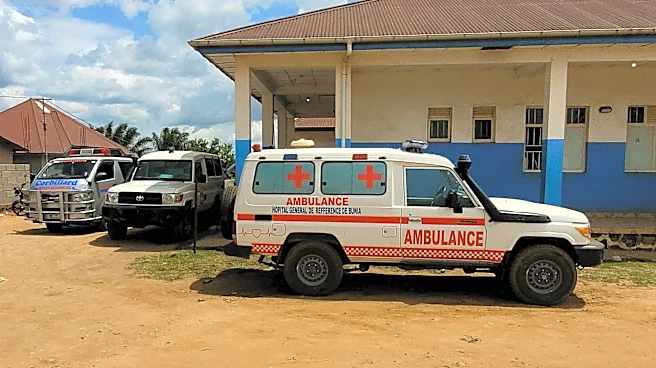
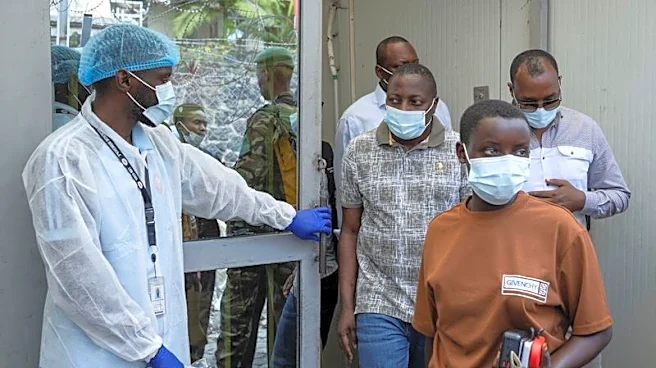
Airport for health screenings. This measure is part of a broader effort to prevent the spread of Ebola into the United States. The CDC has invoked Title 42, a public health law that restricts entry during outbreaks of communicable diseases, to enforce entry restrictions on non-citizens who have been in the Democratic Republic of Congo, Uganda, or South Sudan within the past 21 days. The CDC is deploying staff to Dulles to assist with the screening process. An American doctor, Dr. Peter Stafford, who tested positive for Ebola while working in the DRC, is currently receiving treatment in Germany.
Why It's Important?
This development is significant as it highlights the ongoing global health challenges posed by infectious diseases like Ebola. The CDC's actions underscore the importance of proactive measures in safeguarding public health and preventing potential outbreaks in the United States. The decision to centralize screenings at Dulles International Airport reflects a strategic approach to manage and monitor travelers from high-risk areas effectively. This move also emphasizes the need for international cooperation in addressing health crises, as seen in the treatment of affected individuals in European countries. The situation serves as a reminder of the interconnectedness of global health and the necessity for vigilant monitoring and response systems.
What's Next?
The CDC will continue to evaluate the situation and may adjust public health measures as more information becomes available. The agency's efforts will likely involve ongoing coordination with international partners, airlines, and local health departments to ensure comprehensive monitoring and response. The public health community will be watching closely to see how these measures impact the spread of Ebola and whether additional steps will be necessary. The situation may also prompt discussions on improving global health infrastructure and preparedness for future outbreaks.