



What's Happening?
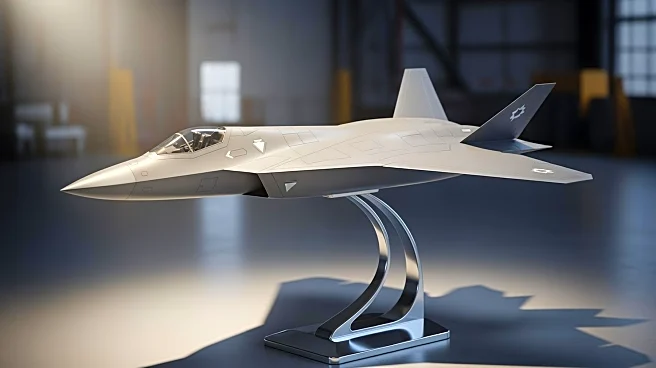
The United States is preparing Misawa Air Base in Japan to host F-35A stealth fighter jets, replacing older F-16 aircraft. This move is part of a broader strategy to modernize U.S. military capabilities in the region, enhancing deterrence and response
capabilities amid tensions in the western Pacific. The deployment aligns with the Trump administration's national security strategy, which emphasizes military buildup to counter potential aggression from China, Russia, and North Korea. The U.S. Air Force has begun receiving support equipment for the F-35A jets, with full deployment expected to bolster regional security.
Why It's Important?
The deployment of advanced stealth jets in Japan signifies a strategic shift in U.S. military posture in the Asia-Pacific region. It underscores the importance of the U.S.-Japan alliance in maintaining regional stability and countering threats from neighboring countries. The move is likely to enhance the U.S.'s ability to project power and respond to regional conflicts, potentially deterring aggressive actions by China and North Korea. This development also reflects the U.S.'s commitment to maintaining a strong military presence in the region, which is crucial for safeguarding its interests and those of its allies.
What's Next?
The U.S. military may consider deploying additional assets, such as ships and missile systems, to further strengthen its presence in Japan. Ongoing tensions in the First Island Chain, including the Korean Peninsula and the Taiwan Strait, could prompt further military enhancements. The U.S. and Japan are expected to continue upgrading their defense cooperation, focusing on command-and-control systems and joint military exercises. These efforts aim to ensure a robust and coordinated response to any regional threats.