






What's Happening?
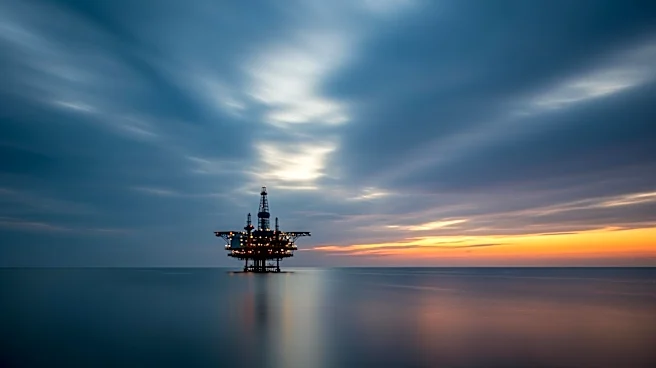
The UK government is under pressure from various sectors, including the oil industry and some political factions, to approve new oil and gas fields in the North Sea. Despite the North Sea being over 90% depleted, the potential exploitation of fields like
Rosebank and Jackdaw is being considered. Experts warn that opening new fields could undermine global climate efforts and the UK's leadership in climate action. The UK has been a pioneer in climate initiatives, being the first G7 country to commit to net zero by 2050. However, the decision to potentially open new fields has sparked criticism from international climate diplomats and developing countries, who argue it contradicts the UK's climate commitments.
Why It's Important?
The decision to open new oil and gas fields in the UK has significant implications for global climate policy. It could set a precedent for other countries to follow, potentially derailing international efforts to reduce greenhouse gas emissions. The UK's actions are closely watched due to its historical leadership in climate initiatives. Approving new fields could weaken trust with climate-vulnerable nations and undermine the message that the future lies in renewable energy. This move could also impact the UK's credibility in global climate discussions and its ability to influence other nations to transition away from fossil fuels.
What's Next?
The UK is set to participate in a global conference on transitioning away from fossil fuels, but the absence of key figures like Ed Miliband, the Secretary of State for Energy Security and Net Zero, has raised concerns. The decision on whether to approve new fields is pending, and its outcome could influence the UK's stance and leadership in upcoming climate negotiations. The government faces the challenge of balancing domestic energy security with its international climate commitments. The response from developing countries and international climate bodies will be crucial in shaping the UK's future energy policies.
Beyond the Headlines
The potential approval of new oil and gas fields highlights the tension between short-term energy security and long-term climate goals. It raises ethical questions about the responsibility of developed nations to lead by example in reducing fossil fuel dependency. The decision could also impact the UK's economic landscape, as it navigates the transition to renewable energy while managing domestic energy demands. The outcome of this decision could influence public perception and political support for the government's climate policies.