









What's Happening?
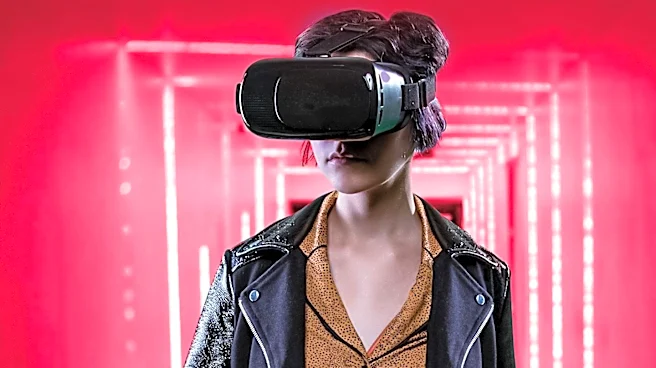
The Smithsonian's National Museum of Asian Art has announced a partnership with Japan-based TOPPAN Inc. to enhance its digital and virtual reality offerings. This collaboration aims to advance the museum's digitization efforts, starting with the creation
of a virtual reality simulation of the Peacock Room, a significant piece by artist James McNeill Whistler. The project is expected to be completed by early 2027. The partnership will also involve digitally archiving the museum's collection, making it accessible worldwide. This initiative is part of the museum's strategic plan to expand digital content and integrate technology-driven experiences to reach a broader audience. The museum's director, Chase F. Robinson, emphasized the importance of technology in making art more accessible and engaging for the public.
Why It's Important?
This partnership is significant as it represents a major step in the museum's efforts to leverage technology to enhance public engagement with art. By digitizing its collection, the museum can overcome physical limitations and share its works globally, thus broadening its audience. This move also reflects a growing trend in the art world where institutions are increasingly using digital tools to preserve and present art. The collaboration with TOPPAN, a leader in digital solutions, underscores the potential for cross-cultural exchange and innovation in the arts. This initiative could set a precedent for other museums looking to expand their digital presence and engage with audiences in new and interactive ways.
What's Next?
The next steps involve the completion of the virtual reality simulation of the Peacock Room and the continued digitization of the museum's collection. The partnership framework also supports ongoing collaboration on projects that promote cultural exchange between the United States and Japan, with a focus on Japanese art. As these projects develop, they may inspire similar initiatives in other cultural institutions, potentially leading to a broader adoption of digital and virtual reality technologies in the art world. Stakeholders, including museum visitors and art enthusiasts, can look forward to more immersive and accessible art experiences.