
What's Happening?
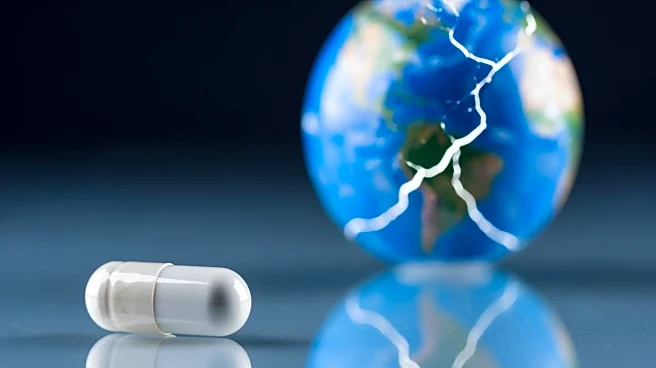
The FDA has issued a recall for approximately 142,000 bottles of generic atorvastatin, a cholesterol-lowering drug, due to improper dissolution of the tablets. This recall affects potentially hundreds
of thousands of patients and is classified as a Class II recall, indicating possible temporary or medically reversible adverse health consequences. The recall was initiated by Ascend Laboratories, a New Jersey-based company, but the drug is manufactured by Alkem Laboratories in India. The recall is part of a broader pattern of manufacturing issues that have emerged since 2019, including previous recalls of other drugs due to contamination with cancer-causing chemicals and improper dissolution. The FDA's ability to inspect overseas manufacturing facilities has been hampered by the shift of pharmaceutical production to countries like India and China, compounded by the challenges posed by the COVID-19 pandemic.
Why It's Important?
The recall of atorvastatin underscores significant concerns about the quality control of drugs manufactured overseas and the FDA's ability to effectively oversee these processes. As atorvastatin is the top-selling drug in the U.S., affecting millions of Americans, the recall could have widespread implications for patient health, particularly in terms of increased cardiovascular risks. The situation highlights the need for improved regulatory oversight and testing of pharmaceuticals manufactured abroad, as well as the potential risks associated with the globalization of drug production. The recall also raises questions about consumer safety and the reliability of medications, emphasizing the importance of vigilance in drug manufacturing and quality assurance.
What's Next?
Patients affected by the recall are advised not to stop taking their medication without consulting healthcare professionals. Pharmacists can assist in identifying whether a patient's medication is part of the recall and provide alternatives if necessary. The FDA is expected to continue spot testing of drugs entering the U.S. to mitigate the risks associated with overseas manufacturing. Additionally, there may be increased pressure on the FDA to enhance its inspection capabilities and collaborate with international regulatory bodies to ensure drug safety and quality.