

What's Happening?
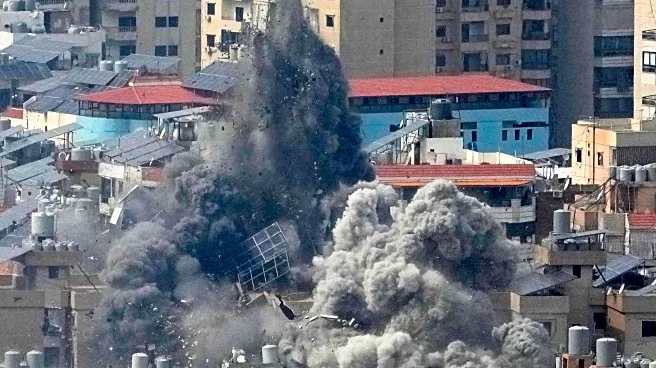
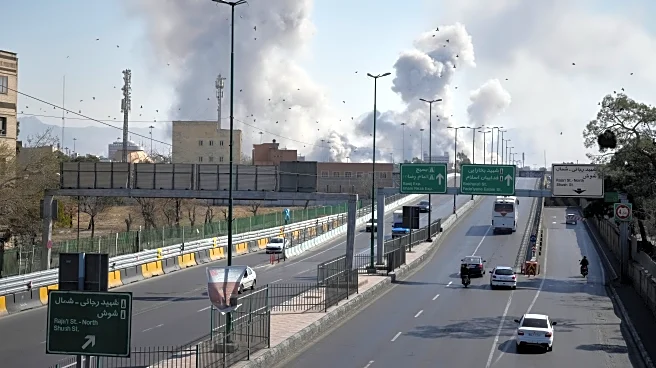
Over 150 Iranian nationals, including diplomats and their families, have evacuated Lebanon due to escalating tensions between Israel and Hezbollah. This development follows Israeli military threats against Iranian representatives in Lebanon and airstrikes
near the Iranian embassy. The evacuees were flown to Russia, with additional departures occurring as the conflict intensified. The Iranian embassy in Beirut confirmed that non-essential diplomats were leaving, although the embassy continues to operate normally. The Lebanese Prime Minister, Nawaf Salam, has called for the arrest and deportation of any Iranian Revolutionary Guards involved in military activities within Lebanon, marking a significant stance on the potential presence of Iranian forces in the country. Despite these tensions, Hezbollah officials have denied the presence of Iranian military forces in Lebanon.
Why It's Important?
The evacuation of Iranian diplomats underscores the heightened risk and instability in the region, particularly concerning Iran's support for Hezbollah. This situation could further strain Iran-Lebanon relations and impact regional security dynamics. The conflict has drawn international attention, with potential implications for U.S. foreign policy and its allies in the Middle East. The Lebanese government's actions against Iranian military presence could signal a shift in its diplomatic stance, potentially affecting Lebanon's internal politics and its relations with neighboring countries. The ongoing conflict also poses risks to civilian safety and could lead to broader regional destabilization.
What's Next?
The situation remains volatile, with potential for further military escalation between Israel and Hezbollah. The international community, including the U.S., may increase diplomatic efforts to de-escalate tensions. Lebanon's government might face internal and external pressure to clarify its position on foreign military presence. The evacuation of Iranian diplomats could lead to a reevaluation of Iran's diplomatic strategies in the region. Monitoring the responses from major stakeholders, including the U.S., Israel, and Iran, will be crucial in understanding the conflict's trajectory and potential resolutions.