






What's Happening?
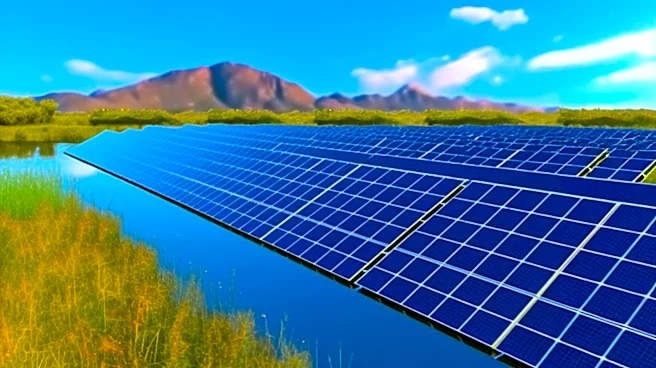
The 30% federal solar tax credit, officially known as the Investment Tax Credit (ITC) under Section 25D of the U.S. tax code, allows homeowners to reduce their tax liability by 30% of the total cost of solar panel installation. This includes equipment
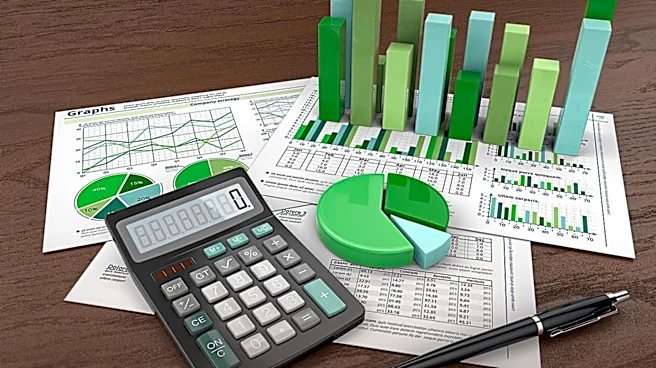
and installation expenses. A common misconception is that this credit cannot be claimed if a homeowner opts for the standard deduction instead of itemizing deductions. However, the solar tax credit is a non-refundable tax credit that directly offsets tax liability, making it independent of whether a taxpayer chooses the standard or itemized deduction. For example, if a homeowner owes $15,000 in federal income tax and qualifies for a $10,000 solar tax credit, their tax liability becomes $5,000, regardless of their deduction method. If the credit exceeds the tax liability, the unused portion can be carried forward to subsequent tax years. The credit is available for systems installed through 2032, after which it will step down to 26% in 2033 and 22% in 2034, before expiring for residential systems in 2035 unless renewed by Congress. There is no dollar limit on the amount of credit that can be claimed.
Why It's Important?
This clarification is crucial for U.S. homeowners considering solar energy adoption, as it removes a significant barrier of misunderstanding regarding tax benefits. By confirming that the 30% solar tax credit can be claimed alongside the standard deduction, more individuals may be encouraged to invest in solar panel systems. This incentive directly reduces the financial burden of installation, making renewable energy more accessible and affordable. Increased solar adoption contributes to national energy independence, reduces reliance on fossil fuels, and helps mitigate climate change. For the solar industry, this clarity can lead to higher demand and sustained growth. Homeowners stand to gain substantial savings on their federal income taxes, in addition to long-term reductions in electricity bills. The ability to carry forward unused credit ensures that even those with lower tax liabilities can fully benefit from the incentive, maximizing their return on investment in clean energy.
What's Next?
Homeowners planning to install solar panels should file Form 5695, Residential Energy Credits, with their tax return to claim the credit. It is advisable to maintain detailed records of all solar installation costs, including invoices and receipts, for potential IRS inquiries. Consulting with a qualified tax professional can help ensure correct claim procedures and maximize benefits. Beyond the federal credit, homeowners should also explore state and local incentives, such as net metering, Solar Renewable Energy Credits (SRECs), property tax exemptions, and state-specific tax credits or rebates, as these can further enhance the financial viability of solar investments. The availability and specifics of these additional incentives vary by location, making local research essential. The federal credit's step-down schedule, beginning in 2033, suggests that homeowners considering solar should act sooner rather than later to secure the maximum 30% credit.
Beyond the Headlines
The interaction of the federal solar tax credit with standard deductions highlights a broader issue of public understanding regarding complex tax incentives designed to promote environmental sustainability. Misconceptions can inadvertently hinder the adoption of beneficial technologies, even when robust incentives are in place. This situation underscores the need for clearer communication from government agencies and industry stakeholders about the mechanics of such programs. Furthermore, the structure of the ITC, as a direct tax credit rather than a deduction, reflects a policy choice to provide a more impactful financial benefit, directly reducing the tax bill rather than merely lowering taxable income. This approach aims to accelerate the transition to renewable energy by making it financially attractive across a wider range of income levels and tax situations, thereby fostering a more sustainable energy future for the nation.