

What's Happening?
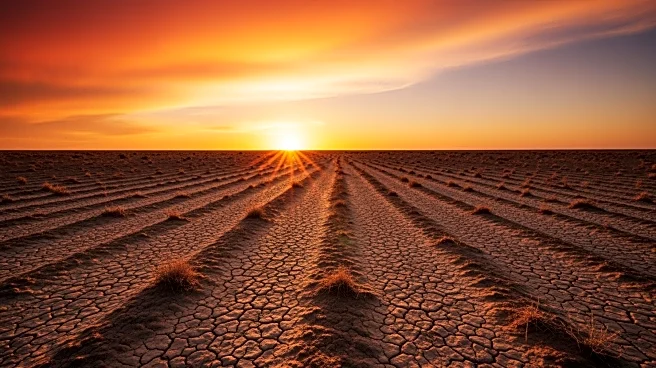
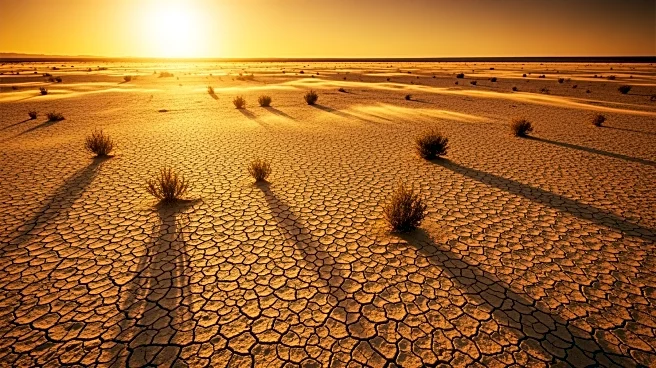
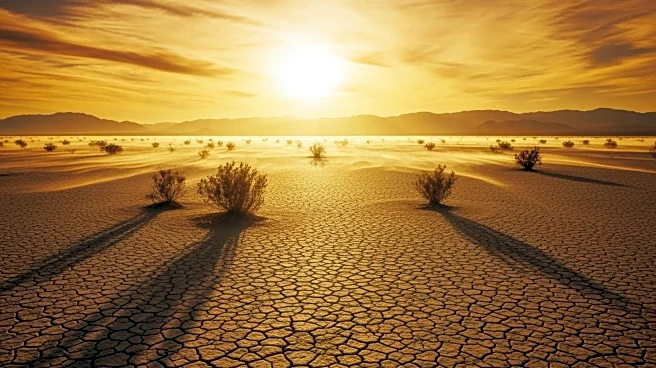
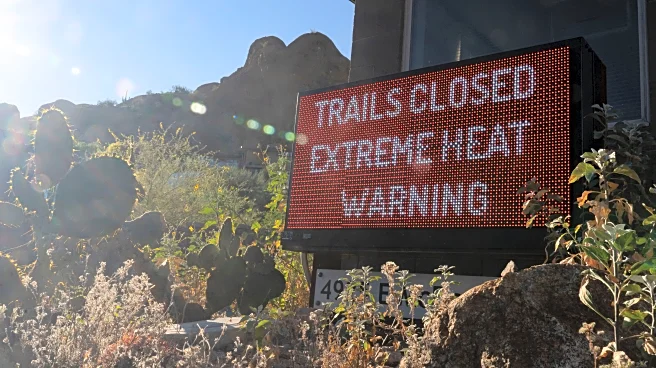
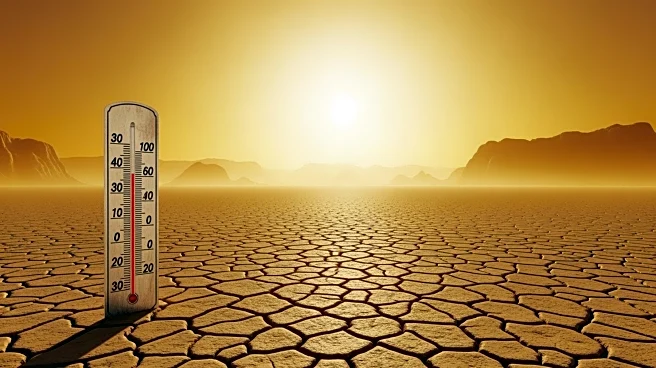
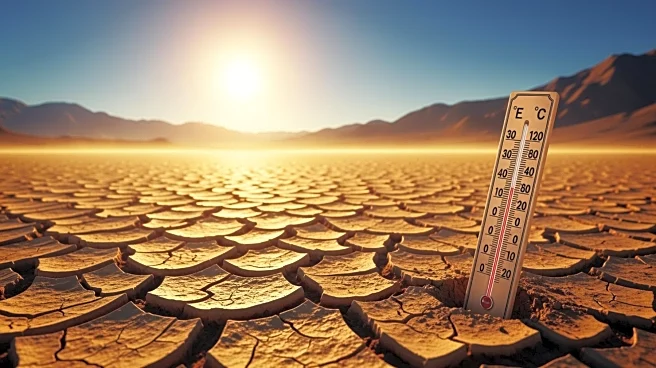
Southern California is experiencing an unprecedented heatwave in March, breaking numerous temperature records. This extreme weather event is linked to climate change, which is causing more frequent and severe heatwaves. The current heatwave extends from
Southern California to the Great Plains and from Canada to Mexico, highlighting its vast scale and intensity. Experts warn that such conditions could lead to drought and increased wildfire risk, as the region transitions from a wet winter to a dry spring.
Why It's Important?
The heatwave underscores the growing impact of climate change on weather patterns, with significant implications for water resources, agriculture, and public health. As temperatures rise, the risk of drought and wildfires increases, posing challenges for water management and emergency response. The economic impact is also considerable, with potential losses in agriculture and increased energy costs. This event highlights the need for comprehensive climate adaptation strategies to mitigate future risks.
What's Next?
As the heatwave continues, authorities may implement measures to conserve water and reduce wildfire risk. Long-term, this event emphasizes the need for policies that address climate change and enhance resilience to extreme weather. This could involve investing in sustainable water management, improving infrastructure, and promoting renewable energy. The ongoing heatwave serves as a call to action for policymakers and communities to prioritize climate adaptation and mitigation efforts.